
Some dresses make you work too hard before you ever leave the house. Empire Waist Dresses solve that problem because they give shape without squeezing, movement without bulk, and polish without the stiff feeling that ruins an outfit by noon. That balance explains why so many American women keep coming back to this cut for weekend brunch, office events, baby showers, vacation dinners, and those awkward “dressy but not formal” invitations.
The beauty sits in the raised waistline. Instead of forcing the narrowest point to land at your natural waist, the seam sits higher, often under the bust, then lets the fabric fall away with ease. Style coverage from trusted fashion platforms like modern outfit inspiration often proves the same point: the most wearable clothes are not the loudest ones. They are the pieces you reach for because they behave well on real bodies.
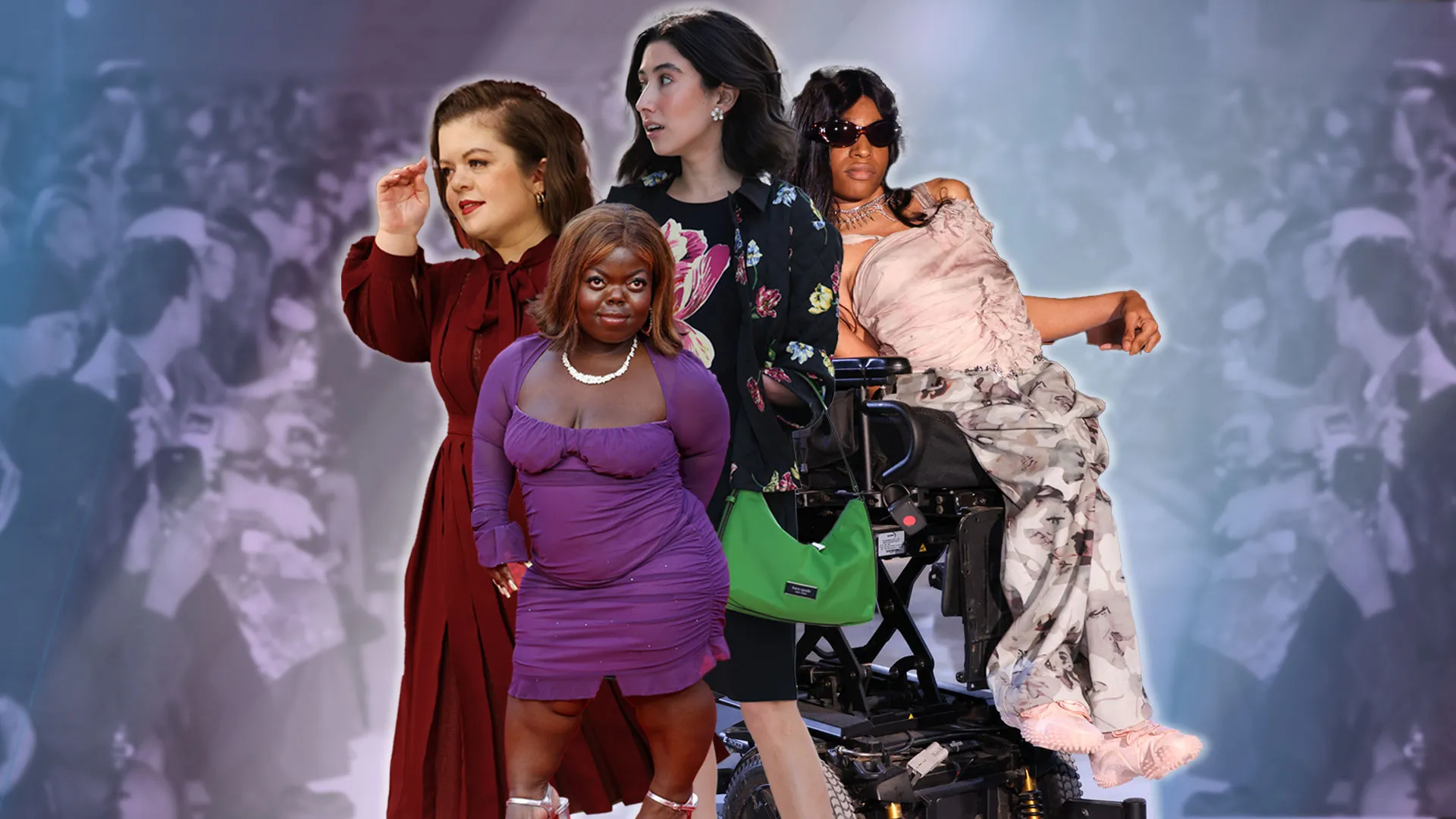
That is why this dress shape still matters. It flatters without asking your body to fit one narrow ideal. It works across sizes, heights, ages, and personal styles when the fabric, length, neckline, and fit are chosen with care.
Why Empire Waist Dresses Work on More Bodies Than People Expect
A raised waistline changes the whole mood of a dress. It pulls attention upward, softens the middle, and lets the lower half of the dress move instead of cling. That sounds simple, but the effect can feel almost sneaky when you try one on and realize the mirror is being kinder than expected.
The Raised Seam Creates Shape Without Pressure
A natural-waist dress often depends on a belt, fitted panel, or structured seam to create definition. That can look sharp, but it also means the dress has to sit at the exact right spot on your torso. If the waist is too high, too low, too tight, or too stiff, the whole look feels off.
An empire waist avoids that fight. The seam lifts the visual break point closer to the bust, where many people already have a natural line. From there, the skirt falls with room, which makes the body look shaped without being pinned into place.
This is why comfortable dresses with a raised waist often work for women who dislike bodycon cuts but still want form. The dress does not erase the body. It frames it with less argument.
A petite woman in Austin might wear a knee-length version with low block heels and feel taller because the eye travels upward. A taller woman in Chicago might choose a midi style with a fluid skirt and get a clean vertical line. Same idea, different body, different result.
The Fit Forgives Normal Body Changes
Bodies shift during the day. Lunch happens. Heat happens. Hormones happen. A dress that looked perfect at 9 a.m. can feel annoying by 3 p.m. if every seam depends on stillness.
The empire cut gives more grace. It does not demand a flat stomach, a narrow waist, or a perfectly predictable body. That is the part people underestimate. The dress works because it allows real life into the fit.
A soft cotton version can move through errands, school pickup, and dinner without that tight-band feeling around the middle. A satin or chiffon version can handle a wedding reception without making you think about posture every ten minutes.
This is also why the style became a quiet favorite for maternity wear, though it is not limited to pregnancy at all. The same ease that helps during body change also helps anyone who wants room without looking careless.
Choosing the Right Fabric, Length, and Neckline
A good cut can still fail in the wrong fabric. That is where many people blame the dress style when the real issue is material, proportion, or neckline. The empire shape has range, but it rewards smart choices.
Soft Fabrics Make the Shape Feel Modern
Stiff fabric can turn a raised waist into a costume. Heavy cotton, shiny polyester, or thick taffeta may push the skirt outward in a way that feels dated. The better choice is fabric that falls instead of floats away from the body.
Rayon blends, soft cotton voile, jersey, crepe, linen blends, and lightweight knits usually work well. They let the skirt move down from the seam with a natural drape. The result feels relaxed, not overly sweet.
This matters most for casual wear. A floral mini in stiff fabric can look childish on an adult woman, while the same print in a softer rayon can feel easy and current. Fabric decides whether the dress looks grown-up.
For dressier moments, satin and chiffon can work when they have weight and lining. Thin shiny fabric exposes every wrinkle and pull. A slightly heavier satin gives the dress a calmer, more expensive look.
Necklines Control the Whole Balance
The neckline carries more responsibility in this dress shape because the seam already pulls attention upward. A scoop neck, V-neck, square neck, or soft sweetheart neckline can open the chest and keep the top half from feeling crowded.
High necklines can work, but they need care. A high-neck empire dress with long sleeves and a full skirt may feel too covered, especially on a shorter frame. The fix is not always a lower neckline. Sometimes it is a shorter hem, lighter sleeve, or cleaner fabric.
This is where flattering dress styles become personal. A woman with a fuller bust may prefer a V-neck because it breaks up the upper body. Someone with narrower shoulders may like a square neckline because it adds quiet structure.
Sleeves matter too. Flutter sleeves soften the shoulder, cap sleeves feel neat, and long sleeves create a romantic line when the fabric is light. The wrong sleeve can make the dress look heavy, even if the rest fits well.
Length Decides Whether the Dress Feels Fresh
Mini, knee-length, midi, and maxi versions each tell a different story. The trick is matching length to purpose, not chasing one “best” option.
A short empire dress can feel playful for warm weekends, beach towns, and summer parties. A knee-length version often works better for offices, church events, or family gatherings where you want ease with a little restraint.
Midi lengths are the most current for many wardrobes because they feel polished without trying hard. They pair well with sandals, boots, flats, and low heels. That makes them useful across seasons.
Maxi styles can look graceful, but they need enough shape at the top. Without a clean neckline or defined seam, a long empire dress may swallow the body. A small styling move, like a cropped jacket or delicate necklace, can restore proportion fast.
Styling the Dress So It Looks Intentional
The dress does most of the work, but styling decides whether it looks personal or pulled from a rack without thought. Accessories, shoes, and layers should support the raised waist instead of fighting it.
Shoes Change the Dress From Sweet to Sharp
Footwear can shift the entire tone. Flat sandals make the dress feel relaxed. Ballet flats make it gentle. Sneakers make it casual and young. Block heels add height without turning the outfit formal.
Boots are the surprise win. A midi empire dress with ankle boots can look far more grounded than the same dress with delicate sandals. That mix keeps the outfit from feeling too precious.
For fall in the U.S., this is an easy formula: a long-sleeve printed dress, ankle boots, and a cropped denim or suede jacket. The raised waist keeps the shape, while the boots add weight at the bottom.
Pointed flats also work when you want polish without heels. They extend the leg line and keep the dress from looking too soft. Round-toe flats can still be charming, but they may lean more casual.
Layers Should Hit Above or Near the Seam
Long cardigans can be tricky with empire dresses. They often drag the eye downward and hide the shape that makes the dress flattering. Cropped jackets, short cardigans, fitted denim jackets, and waist-skimming blazers usually work better.
A cropped layer respects the raised seam. It keeps the outfit organized and lets the skirt move freely. That is why a short leather jacket over a floral empire dress can look balanced instead of mismatched.
For office settings, a tailored blazer can work if it does not extend too far past the hip. The goal is to add structure at the shoulder while leaving the dress line visible. A blazer that overwhelms the skirt will make the outfit feel confused.
Belts need caution. A belt at the natural waist fights the dress. A narrow tie at the empire seam can help, but only when it looks built into the outfit. Most of the time, the dress is better without one.
Jewelry Works Best When It Follows the Neckline
Jewelry should answer the neckline, not compete with it. A V-neck works well with a pendant. A square neck looks clean with small hoops or a short chain. A scoop neck can handle a layered necklace if the dress fabric is plain.
Printed dresses need less jewelry. Solid dresses can take more. That rule sounds basic because it is, but it saves outfits from looking busy.
A woman wearing a navy empire midi to a rehearsal dinner might choose gold hoops, a slim bracelet, and nude heels. That is enough. The dress already has a strong shape, so extra decoration can start to feel like noise.
Bags follow the same logic. Small shoulder bags, clutches, crossbody bags, and structured mini totes all work. Oversized slouchy bags can pull the look down unless the dress is casual and the setting supports it.
When This Dress Style Becomes a Wardrobe Staple
The best clothes earn repeat wear because they solve more than one problem. A good empire dress can move across seasons, dress codes, and body moments without demanding a closet full of backup plans.
It Handles Dress Codes That Sit in the Middle
Many American social events live in the confusing zone between casual and formal. A backyard bridal shower, a graduation lunch, a church banquet, or a rooftop birthday dinner may not call for eveningwear, but jeans feel wrong.
The empire dress fits that middle space well. It reads feminine and considered, yet it does not look stiff. That makes it useful when you want to look like you made an effort without looking overdressed.
A printed midi with block heels can work for a daytime wedding guest look. A black crepe version with earrings and a small bag can handle dinner in New York or Los Angeles. A cotton version with sandals can go to a family cookout and still feel pulled together.
This range gives the style staying power. It does not depend on one trend cycle. It works because the shape solves common dressing problems.
Seasonal Styling Keeps It From Feeling One-Note
Warm weather makes the empire dress easy. Sandals, woven bags, soft waves, and light jewelry all fit naturally. The bigger test comes when the weather cools.
That is where texture helps. A ribbed knit version with boots feels different from a breezy floral one. A long-sleeve dress in crepe or jersey can move into fall with tights and a cropped jacket. Even a summer dress can stretch into early autumn with a cardigan that hits high enough.
Color also shifts the mood. White, blush, and pastel prints feel light. Olive, burgundy, chocolate, navy, and black give the same cut more depth. The silhouette stays familiar, but the season changes the attitude.
This is the quiet reason women keep one in the closet. It can be soft in June and grounded in October without losing its main appeal.
The Best Version Feels Like Your Style, Not a Costume
The empire waist has a romantic history, and that can be both its charm and its trap. Too many ruffles, puff sleeves, tiny florals, and shiny details can push the dress into costume territory. One romantic element is enough for most outfits.
A clean solid color can feel minimal. A small print can feel casual. A bold print can feel confident. A sleek black version can feel almost architectural when the neckline and fabric are right.
The key is choosing the version that matches your actual life. If you wear sneakers most days, a cotton midi may serve you better than a delicate chiffon dress. If your calendar includes dinners, showers, and work events, a darker crepe dress may earn more wear.
A dress becomes flattering when it fits the body and the person. Ignore that second part, and even the prettiest dress can feel borrowed.
Conclusion
A raised waistline will never be the answer to every outfit problem, but it deserves more respect than it gets. The right dress can soften pressure around the middle, lift the eye, and give you shape without turning comfort into a compromise. That is not a small thing in a closet full of pieces that look better standing still than living a full day.
The smartest move is to judge the details, not the category. Look at the fabric first. Check where the seam lands. Notice whether the neckline opens the upper body or crowds it. Then decide whether the length fits your real shoes, your real plans, and your real comfort level. Empire Waist Dresses work best when they feel chosen, not settled for.
Start with one version you can wear in at least three places this month, then style it with pieces you already trust.
Frequently Asked Questions
Are empire waist dresses flattering for most body types?
Yes, they can flatter many body types because the raised seam draws the eye upward while the skirt falls away from the waist and stomach. The best result depends on fabric, neckline, and length, not the silhouette alone.
What body shape looks best in an empire waist dress?
Apple, pear, petite, straight, and hourglass figures can all wear this style well. The key is choosing the right neckline and skirt flow. A V-neck helps fuller busts, while a square neckline can add shape to narrower shoulders.
Can empire waist dresses hide belly areas comfortably?
Yes, the raised seam sits above the stomach, so the fabric does not cling tightly around the middle. Soft draping fabrics work better than stiff materials because they skim the body instead of puffing outward.
Are empire waist dresses good for short women?
Yes, especially when the hem hits above the knee or at a clean midi length. The raised waist can make the legs look longer. Petite women should avoid heavy fabrics or oversized prints that overpower the frame.
How do you style empire waist dresses for work?
Choose a solid or subtle print, then add a cropped blazer, low heels, or pointed flats. Keep jewelry simple and avoid overly sheer fabrics. A knee-length or midi version usually feels more office-friendly than a mini dress.
What shoes go best with empire waist dresses?
Block heels, ankle boots, flat sandals, ballet flats, and pointed flats all work. Sneakers can make the dress casual. The best shoe depends on the dress length and setting, but a slightly structured shoe often balances the softness.
Can empire waist dresses look modern instead of old-fashioned?
Yes, they look modern when the fabric is clean, the print feels current, and the styling stays simple. Avoid too many ruffles, shiny fabrics, or costume-like details. A sleek midi with boots or minimal sandals feels fresh.
What fabric is best for comfortable empire waist dresses?
Soft cotton, rayon blends, jersey, crepe, linen blends, and light knits usually work well. These fabrics move with the body and fall naturally from the raised seam. Stiff fabric can make the skirt flare too much.