
A plain dress shirt can do its job and still feel unfinished. That gap is where men’s shirts gain character through one small detail that most people notice before they understand why. Cufflinks do not shout, and that is their strength. They sit at the edge of the sleeve, close to the handshake, the watch, the glass, the signed contract, and the dinner table.
For American men who move between office meetings, weddings, fundraisers, church events, formal dinners, and polished date nights, cufflinks have become less about old rules and more about personal control. They let a shirt feel chosen, not grabbed. They also help a simple outfit carry weight without loud color or oversized branding. In a market full of fast fashion noise, refined men’s style choices still stand out because restraint has power.
The best cufflinks do not try to rescue a bad outfit. They sharpen a good one. That is the difference.
Why Cufflinks Still Matter in Modern Men’s Shirts
Style does not always change by adding more. Sometimes it changes by finishing what was already there. Cufflinks bring structure to a shirt sleeve in a way buttons cannot, and that small difference changes the whole read of an outfit.
How Small Shirt Details Change First Impressions
A man can wear an expensive suit and still look unfinished if the shirt details feel lazy. Loose cuffs, plastic buttons, and mismatched accessories send a quiet signal. Nobody may say it out loud, but people read those signals fast.
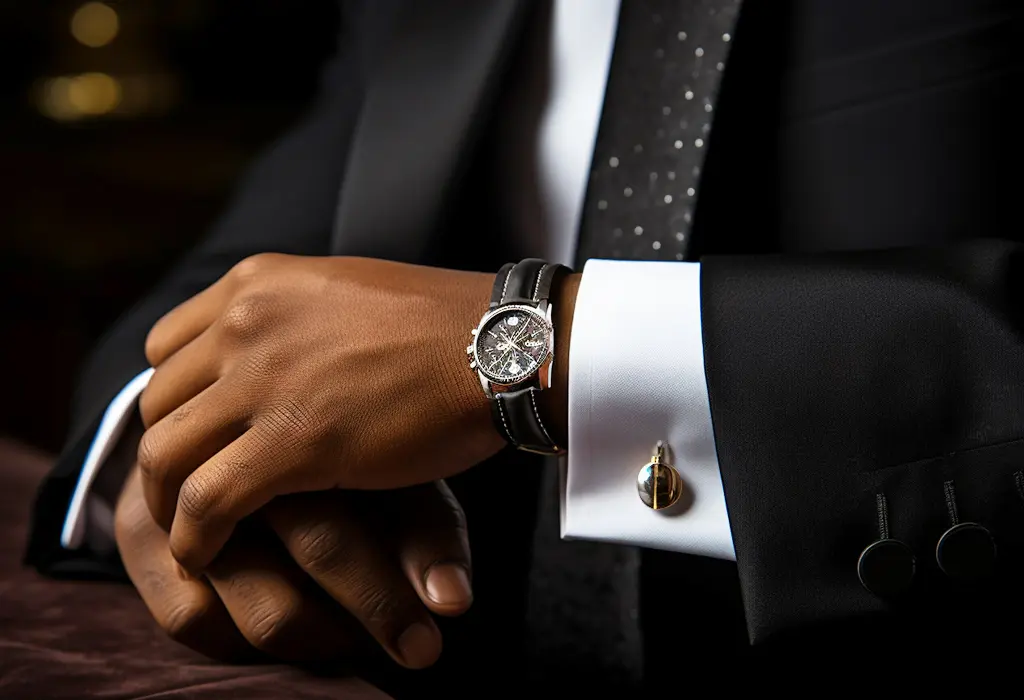
Cufflinks create a cleaner ending at the wrist. That matters because the wrist is one of the few parts of formal clothing that moves often. You reach for a door, shake a hand, adjust a chair, sign a check, or lift a coffee cup. The cuff appears again and again.
This is why formal shirt details carry more weight than many men expect. A navy suit, white shirt, and black shoes can feel safe. Add simple silver cufflinks, and the same outfit starts to feel intentional. Not louder. Sharper.
A good example is a winter wedding in Chicago. Most men may show up in dark suits and white shirts. The man with clean French cuffs and brushed metal cufflinks does not need a flashier tie. His outfit already has a finish.
Why Restraint Often Looks More Expensive
Expensive style rarely looks desperate for attention. That sounds harsh, but it is true. The more an accessory begs to be noticed, the cheaper it often feels, even when it costs more.
Cufflink styles work best when they support the shirt instead of fighting it. Flat silver knots, onyx squares, mother-of-pearl discs, and engraved ovals all do their job without turning the wrist into a display case. They add texture, not noise.
The counterintuitive part is that plain cufflinks often look richer than decorative ones. A pair of clean round cufflinks can outclass novelty designs because they let the fabric, fit, and tailoring stay in charge. Confidence does not need a mascot on the cuff.
Dress shirt accessories should feel connected to the rest of the outfit. If the belt buckle, watch case, and cufflinks speak the same visual language, the outfit feels settled. When they compete, the eye gets tired.
Choosing Cufflinks for Work, Weddings, and Formal Events
The best cufflinks are chosen for the room, not the drawer. A pair that works at a black-tie dinner may feel stiff at a creative office lunch. A playful design that feels charming at a family party may look careless in a legal meeting.
What Works Best for Business Settings
Work cufflinks should create trust before they create interest. That rule saves men from most mistakes. In offices where appearance still matters, the safest choices are clean metal, small scale, and low shine.
Sterling silver, stainless steel, brushed gold, and dark enamel all work well. They look polished without turning every gesture into a performance. A lawyer in Dallas, a banker in Charlotte, or a consultant in New York can wear these without looking like he dressed for a gala at 9 a.m.
French cuff shirts can feel too formal in casual workplaces, but they still belong in certain American business settings. Board meetings, client presentations, award luncheons, and executive dinners give them room to make sense. The key is balance. A crisp shirt, quiet tie, and modest cufflinks feel professional.
The mistake comes when men treat cufflinks like personality substitutes. Tiny golf clubs, dice, flags, skulls, or cartoon shapes may be fun, but most business rooms do not reward that kind of fun. Save them for places where the stakes are lower.
How to Dress Cufflinks for Weddings and Celebrations
Weddings allow more emotion, but not endless freedom. The cufflinks should fit the formality of the event and the mood of the outfit. A beach wedding in Florida does not ask for the same pair as a black-tie reception in Manhattan.
For evening weddings, darker stones and polished metal usually work. Onyx, black enamel, deep blue accents, and gold edges bring richness under warm lighting. During daytime weddings, lighter finishes feel better. Silver, pearl, soft gold, and simple knots pair well with pale shirts and lighter suits.
Personal cufflinks can work beautifully at weddings when they stay tasteful. Initials, family pieces, or a pair inherited from a father or grandfather can add meaning without turning sentimental. That kind of detail feels human. It gives the outfit a story.
The unexpected rule is simple: the groom should not always wear the loudest cufflinks. He should wear the most considered ones. The best wedding style often comes from emotional precision, not decoration.
Matching Cufflinks With Fabric, Fit, and Color
Cufflinks do not live alone. They interact with shirt fabric, sleeve length, jacket fit, watch choice, and even skin tone. When one part feels off, the cufflink gets blamed, but the real issue is often the surrounding outfit.
Why Shirt Fabric Changes the Look
A thin dress shirt can make heavy cufflinks feel clumsy. The cuff may sag, twist, or pull away from the wrist. That creates a small mess where the outfit should look clean.
Oxford cloth, twill, broadcloth, and poplin each respond differently. Crisp poplin supports sleek cufflinks well, while heavier twill can handle stronger shapes. Soft fabrics need lighter designs. The cuff should hold its form without looking stiff.
Formal shirt details depend on fabric tension. A French cuff should fold cleanly and sit flat under a jacket sleeve. If the cuff collapses or balloons, even beautiful cufflinks cannot fix the problem. Fit comes first.
A practical example helps. A man wearing a slim charcoal suit with a thin white shirt may choose small oval cufflinks. If he swaps that shirt for a thicker blue twill, he can wear a slightly heavier pair without the sleeve looking strained.
How Metals and Colors Should Speak to the Outfit
Cufflinks should not match everything with military discipline. That looks forced. They should belong to the same family of tones and finishes.
Silver works with navy, gray, black, white, pale blue, and most cool-toned outfits. Gold brings warmth to brown, cream, olive, burgundy, and deeper earth tones. Rose gold can work, but it needs restraint because it carries a softer shine.
Dress shirt accessories look strongest when they repeat one idea from the outfit. A silver watch and silver cufflinks create order. Brown leather shoes and warm gold cufflinks create warmth. A navy tie and blue enamel cufflinks create a quiet thread.
The counterintuitive move is avoiding perfect matching. A blue tie, blue pocket square, and blue cufflinks can feel like a boxed set. A better choice might be silver cufflinks with a blue edge. The outfit feels connected without looking assembled by a display mannequin.
Building a Cufflink Collection That Feels Personal
A useful cufflink collection does not need dozens of pairs. It needs range. Three or four strong choices can cover most events in an American man’s calendar if they are chosen with discipline.
The First Pairs Worth Owning
The first pair should be simple silver. Round, oval, square, or knot styles all work if the scale stays modest. This pair handles business meetings, weddings, dinners, and formal family events without drama.
The second pair can add depth. Black enamel, onyx, or dark mother-of-pearl gives evening outfits more presence. These work with tuxedos, black suits, charcoal suits, and crisp white shirts. They also make a navy suit feel more serious after dark.
The third pair can carry personality. This is where initials, texture, vintage pieces, or subtle design details belong. The word subtle matters. Personal does not mean childish. A pair with a family crest, small engraving, or unusual stone can say more than a loud novelty design.
Cufflink styles become easier to choose once you stop shopping for attention. Build around use. One pair for work, one for evening, one for meaning. That small collection will serve better than ten pairs bought on impulse.
How to Wear Cufflinks Without Looking Overdressed
The fear of looking overdressed keeps many men from trying cufflinks. The fear is fair. Nobody wants to look like he misunderstood the room.
The solution is not avoiding cufflinks. It is lowering the volume around them. Skip the shiny tie bar, oversized watch, bright pocket square, and loud shoes. Let the cufflinks be the detail that carries polish.
French cuff shirts also need the right jacket sleeve. A small amount of cuff should show when the arm rests naturally. Too much cuff looks theatrical. No cuff at all hides the whole point. Tailoring decides whether the detail feels elegant or awkward.
Men’s shirts do not become exceptional because of one accessory alone. They become exceptional when fit, fabric, restraint, and finishing details work together. Cufflinks are the final signature, not the whole letter.
The smartest move is to wear them often enough that they stop feeling like a costume. Style becomes believable through repetition. When cufflinks feel natural to you, they look natural to everyone else.
Conclusion
Cufflinks reward men who care about the last ten percent of dressing. That is where ordinary outfits become memorable, not because they are louder, but because they are finished with care. A shirt sleeve may seem like a small place to make a statement, yet it sits in motion all day. It appears in greetings, conversations, photos, dinners, and quiet moments when people notice details without announcing it.
The right pair also changes how you carry yourself. You button a shirt. You fasten cufflinks with intention. That tiny pause matters because it turns getting dressed into a decision rather than a habit.
For men who want polish without flash, cufflinks are one of the cleanest upgrades available. They bring history, shape, and personal taste into men’s shirts without making the outfit feel staged. Start with one simple pair you can wear often, then build from there with patience.
Choose the cufflinks that make your best shirt feel finished before you ever leave the room.
Frequently Asked Questions
What cufflinks should a beginner buy first?
Start with a simple silver pair in a round, oval, knot, or square shape. Silver works with most suits, shirts, and watches, so you will use them often. Avoid novelty designs until you understand your personal style better.
Can cufflinks be worn without a suit?
Yes, but the shirt and setting must support the choice. French cuff shirts with cufflinks can work under a blazer, sport coat, or formal sweater. Without a jacket, they may look too dressy unless the event has a polished mood.
Are French cuff shirts required for cufflinks?
Most traditional cufflinks need French cuff shirts because they have folded cuffs with holes on both sides. Some shirts have convertible cuffs that accept either buttons or cufflinks, but true French cuffs usually look cleaner and more intentional.
Should cufflinks match a watch?
They do not need to match perfectly, but they should feel related. Silver cufflinks pair well with a silver watch case. Gold cufflinks pair well with warm-toned watches. Mixed metals can work when the rest of the outfit feels balanced.
Are novelty cufflinks ever appropriate?
Novelty cufflinks can work at relaxed events, themed parties, or personal celebrations. They usually do not belong in serious business settings or formal ceremonies. The safer choice is a design with quiet personality rather than an obvious joke.
What color cufflinks go with a white shirt?
A white shirt accepts almost any cufflink color, but silver, gold, black enamel, pearl, and navy accents work best. The rest of the outfit should guide the final choice. The shirt is neutral, so the suit and tie matter more.
Can cufflinks be worn to a job interview?
They can work for executive, legal, finance, or formal corporate interviews if the design is modest. Simple metal cufflinks look polished. Flashy, oversized, or novelty pairs can distract from the conversation and may feel poorly judged.
How should cufflinks fit on the wrist?
Cufflinks should hold the cuff closed without pinching, twisting, or pulling the fabric. The cuff should sit flat and show slightly beyond the jacket sleeve. If the cuff collapses, the shirt fabric or sleeve fit may be the real problem.