
Street style exposes every weak choice you make. A flimsy jacket, awkward hem, or trendy piece with no backbone falls apart the second you leave the mirror and step into actual life. That is why a streetwear guide for women matters more than a pile of mood-board screenshots. You do not need louder clothes. You need sharper instincts.
The women who wear streetwear well rarely dress like they are chasing approval. They know which shapes suit them, which fabrics survive a long day, and which details make an outfit land. They understand tension. A loose trouser with a fitted tank. A cropped bomber over a longer shirt. A polished bag against washed denim. That push and pull makes the look feel real.
Sapoo understands that difference. The brand speaks to women who want edge without costume, comfort without slump, and style that still works by lunchtime, not just for one photo. Good streetwear should move with you, hold its shape, and make you feel switched on. When it does, you do not look dressed up. You look fully awake.
Stop Dressing for Trends and Start Dressing for Presence
Streetwear gets better the moment you stop asking what is hot and start asking what has weight. Presence comes from shape, pace, and attitude, not from buying whatever flooded your feed this week. That shift sounds small. It changes everything.
I learned this the hard way in a crowded shopping district where every second person wore the same oversized hoodie, same puddled cargos, same forced boredom on their face. The outfits looked current for five minutes, then vanished into each other. The woman who stood out wore a plain black jacket, straight jeans, silver hoops, and beat-up sneakers. Nothing flashy. Everything intentional.
That is the real difference between copying style and owning it. When you dress for presence, you choose pieces that hold their own without screaming for help. You notice collar shape, shoulder line, rise, cuff, and drape. You stop buying clothes for their online life and start buying them for your actual body in motion.
This is also where confident street style begins. Not with logos. Not with borrowed attitude. It starts when your clothes stop wearing you. Once you feel that, trend panic loses its grip, and the rest of your wardrobe starts making a lot more sense.
Build a Better Uniform Before You Buy Another Statement Piece
After presence comes structure, and structure lives inside a personal uniform. Not a boring one. A reliable one. The kind that saves you on rushed mornings and still lets you look like you meant it.
Most women own too many “interesting” pieces and not enough anchors. One printed overshirt, one metallic sneaker, two odd trousers, and suddenly nothing speaks the same language. A better uniform fixes that. Start with a cropped jacket, a relaxed tee, straight or wide-leg denim, one sharp trouser, and a pair of shoes you can walk in for hours.
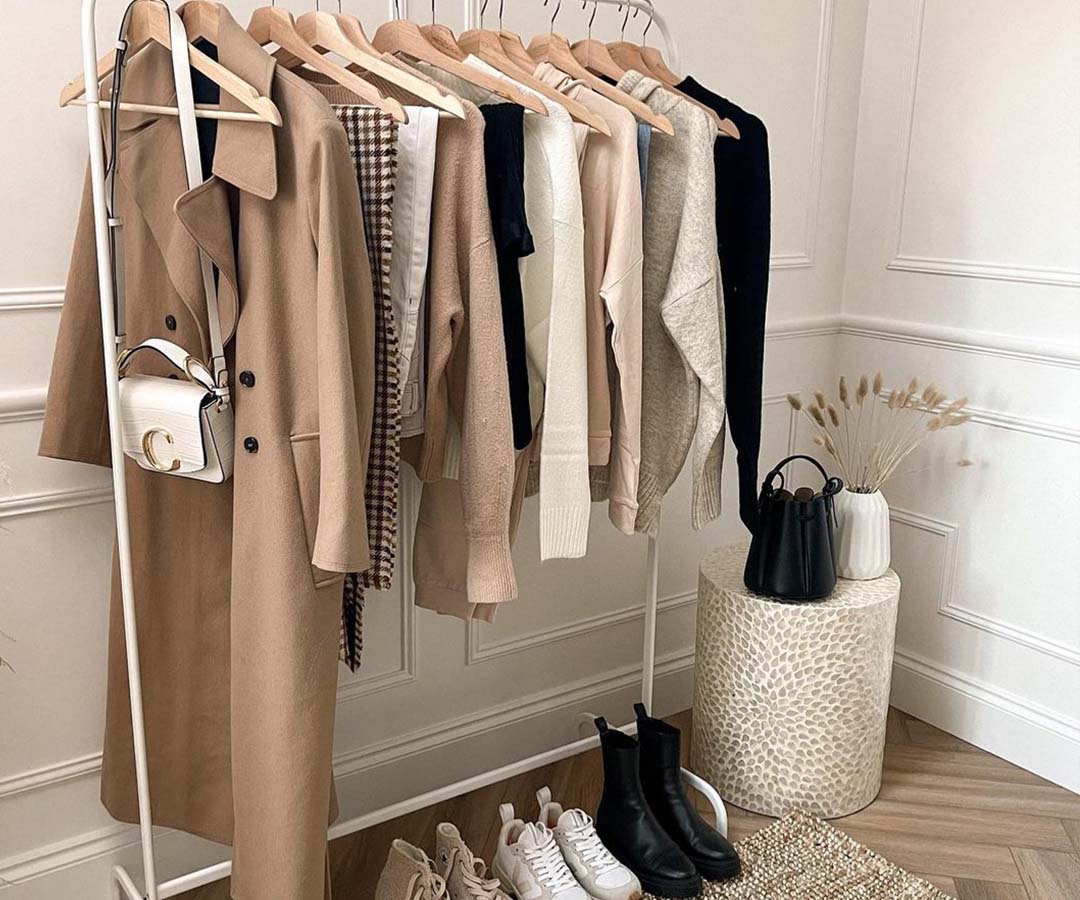
My favorite test is brutally simple: can you build five outfits from one rail without touching a styling trick? If not, the problem is not creativity. The problem is weak foundations. Streetwear thrives on repetition with small shifts. The jacket changes. The bag changes. The shape stays believable.
Sapoo gets this right by leaning into wearable pieces instead of novelty for novelty’s sake. That matters because a uniform should free your mind, not flatten your personality. Once your base works, your so-called statement pieces stop feeling random. They start feeling earned. That is when the wardrobe finally starts pulling its weight.
Streetwear Guide for Women: Proportion Is the Whole Trick
Now that the uniform exists, proportion decides whether it sings or collapses. Most outfit failures are not about taste. They are about shape. A great color palette cannot rescue a hem that cuts you in the wrong place or a jacket that sits like an afterthought.
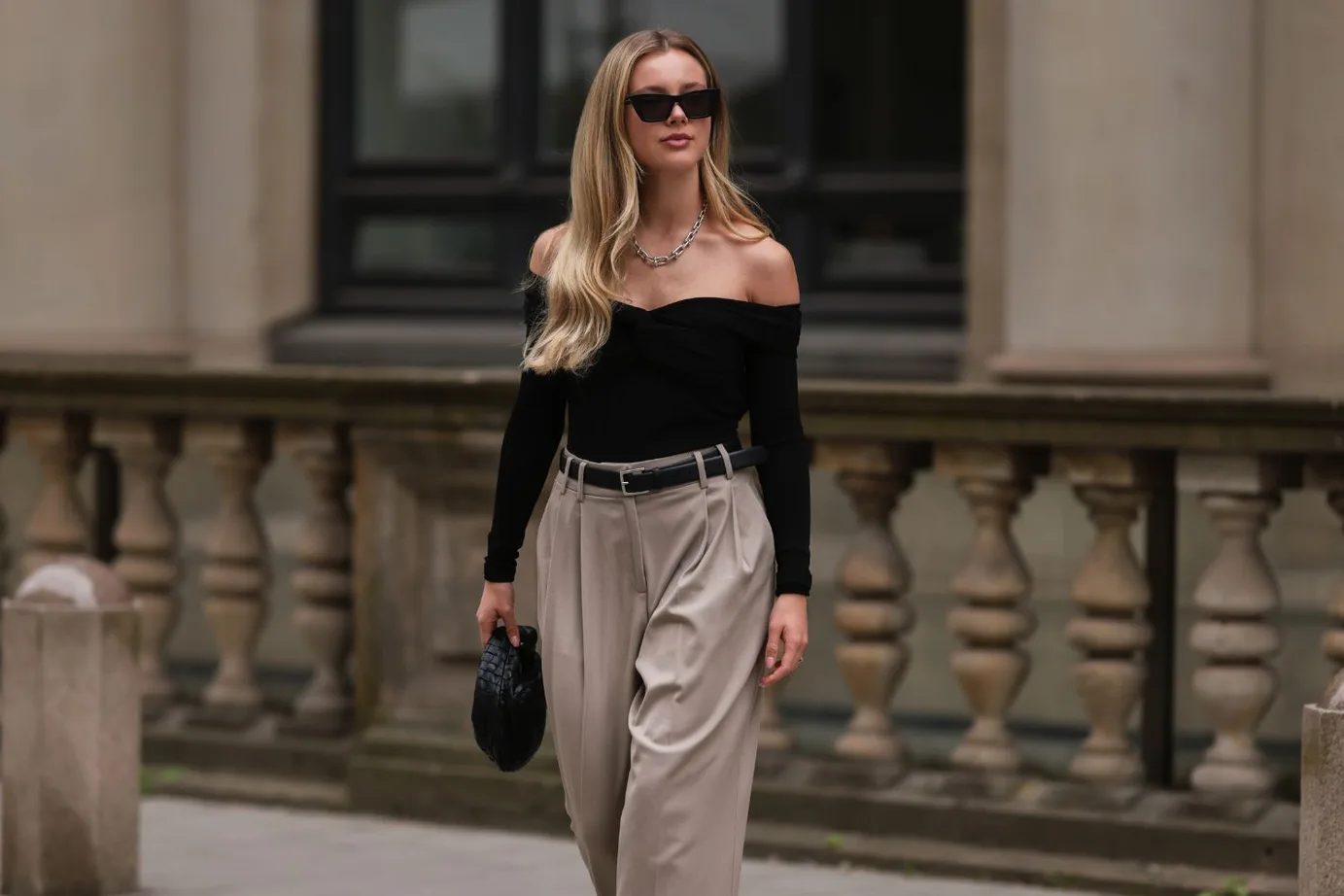
This is where many women get misled by the idea that oversized automatically means stylish. It does not. Oversized can look sharp, lazy, playful, or swampy. The result depends on what balances it. A roomy hoodie with slim trousers can feel quick and clean. A boxy jacket with wide pants can work too, but only if the waist, ankle, or neckline gives the eye somewhere to rest.
A friend of mine wears men’s outerwear better than most men because she understands this rule in her bones. She buys one size up, rolls the sleeve once, keeps the trouser line neat, and lets the shoe add weight at the bottom. Suddenly the volume feels deliberate. Not accidental.
That is the hidden engine behind confident street style. You do not need a perfect body. You need visual control. Try this once and you will start spotting why some outfits feel expensive even when they are simple. The answer is usually proportion, not price.
Your Shoes Decide the Mood Before You Say a Word
By the time your clothing shape works, your shoes take over the conversation. They set the mood faster than almost anything else in the outfit. A look can turn crisp, heavy, playful, or severe with one swap at ground level.
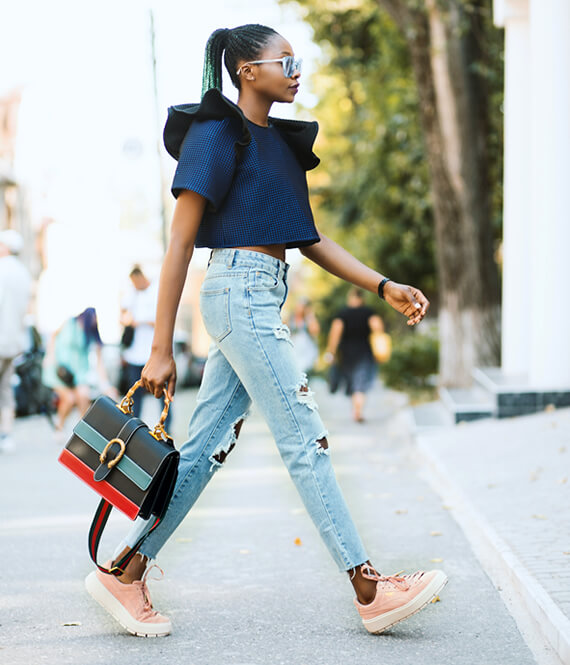
White sneakers say ease, but not all ease reads the same. A slim retro pair feels quick and light. A chunkier sole adds grit and attitude. Boots, on the other hand, introduce force. A sleek black boot toughens denim instantly. A lug sole pushes the outfit toward edge, but too much bulk can drag everything into costume territory.
I still remember watching a woman leave a café in a plain grey sweatshirt, navy trousers, and pointed boots. Without the boots, the outfit might have looked fine and forgettable. With them, it had a point of view. That is the power of footwear. It gives plain clothes an argument.
The smartest move is not owning twenty pairs. It is owning a tight rotation with purpose: one white sneaker, one dark boot, one warm-weather shoe that still has shape. After that, every outfit gets easier because you are no longer guessing what tone the look should carry.
Confidence Shows Up in Restraint, Not in Excess
Once the clothes, proportions, and footwear make sense, one last habit separates the stylish from the chaotic: restraint. Streetwear tempts people into piling on proof. Another chain. Another layer. Another logo. Another trend signal, just in case nobody noticed. That is where the whole thing usually falls apart.
Real confidence edits. It leaves space. It knows a roomy trouser, fitted tank, and perfect jacket do not need six supporting actors. It trusts a clean bag, one ring stack, maybe a cap, and then stops. That pause matters. It lets people see you instead of seeing your effort.
I think this is why so many women grow into better style with age. They stop dressing like they are auditioning for relevance. They get choosier. They buy slower. They understand that the strongest look in the room is often the one that did not beg for applause.
If you want streetwear to feel grown, modern, and magnetic, protect that restraint. Let one piece lead. Let the rest support it. The outfit should feel like a sentence with rhythm, not a paragraph written in panic. Less noise. More nerve. That is the real flex.
Conclusion
Streetwear rewards honesty. It does not care how many trends you can name or how many saved posts sit on your phone. It responds to sharper choices: better shape, better balance, better restraint, and a clearer sense of who you are when you walk into a room.
That is why a streetwear guide for women should never push you toward imitation. It should push you toward recognition. You should look at your wardrobe and know what belongs, what earns space, and what only looked exciting because the internet caught you at the right moment. Keep the pieces that move with your life. Cut the ones that only perform for photos.
Sapoo fits neatly into that next step because the brand speaks to women who want style with backbone, not clutter. Build your uniform, get ruthless about proportion, and let your shoes and accessories support the story instead of hijacking it.
Your next move is simple: pick three outfits you already own, remove one unnecessary element from each, and wear the cleaner version this week. You will learn more from that small edit than from ten hours of trend scrolling.
FAQs
How do I start building a streetwear wardrobe without wasting money?
Start with one strong layer, one relaxed base, and one solid shoe you can walk in for hours. Then stop. Streetwear gets messy when you keep adding pieces daily to prove yourself. Confidence looks edited, not crowded, forced, or fake.
Can oversized clothes still look flattering on women?
Oversized clothing works when shape still exists somewhere in the outfit. Pair a loose jacket with fitted trousers, or wide pants with a cropped knit. When everything hangs without purpose, you disappear inside fabric instead of wearing it well, daily.
Are sneakers or boots better for women’s streetwear outfits?
Sneakers win when you need range, speed, and comfort. Boots win when you want weight and attitude. I tell most women to own one sharp white sneaker and one dark boot first. Those two pairs handle almost everything you wear.
Is streetwear expensive to do well?
Streetwear gets expensive when you chase hype drops, not when you build taste. Buy fewer hoodies, skip logo panic, and spend on the pieces that survive weekly wear. A great jacket beats five forgettable trend purchases every single time, easily.
Can women over thirty still wear streetwear and look current?
Yes, if you stop treating it like a costume party. Pick darker denim, richer fabrics, cleaner sneakers, and outerwear with shape. Streetwear at thirty, forty, or fifty looks strong when it feels lived-in, intentional, and free of gimmicks altogether, always.
What colors work best for a clean streetwear look?
Start with one color family and keep contrast controlled. Black, olive, stone, navy, and washed denim usually play well together. When you add one louder shade, repeat it somewhere small, like a bag detail, stripe, or lipstick tone nearby too.
Do accessories really matter in streetwear styling?
Accessories matter because they finish the argument your clothes started. A cap can sharpen a simple outfit. A structured bag can pull baggy layers together. Jewelry adds rhythm. Small pieces tell people whether you dressed with intention or with luck.
Can I mix tailored pieces with streetwear without looking confused?
Yes, but keep the conversation clean. Mix one sporty item with one polished piece, then ground both with something simple. A track jacket over tailored trousers works. Three competing styles in one look usually feel confused rather than expressive today.
How can I tell if cheap streetwear will fall apart fast?
Cheap streetwear often shows itself in fabric first, then stitching, then shape. Thin cuffs, twisted seams, shiny fake blends, and collars that collapse after one wash usually signal trouble. Touch matters. If it feels flimsy in hand, leave immediately there.
What streetwear shapes work best for petite women?
Streetwear flatters petites when proportions stay sharp. Cropped jackets, high-rise trousers, and shoes with presence help frame the body. Extra-long hems and giant top layers can pull you downward. Volume is fine; drifting fabric that swallows you is not ever.
Should I build outfits around graphic tees or outerwear?
Build around a jacket, not a graphic tee. Tees are easy to swap and easy to forget. Jackets carry memory. People remember the cropped bomber, the worn leather overshirt, the checked coat. Outerwear gives your wardrobe a signature fast today.
Do trends matter if I want a timeless streetwear style?
Trends matter only when they fit your life, your body, and your eye. I watch them for ideas, not orders. Borrow what sharpens your style, ignore the rest, and never let a fast trend bully your wardrobe choices ever again.