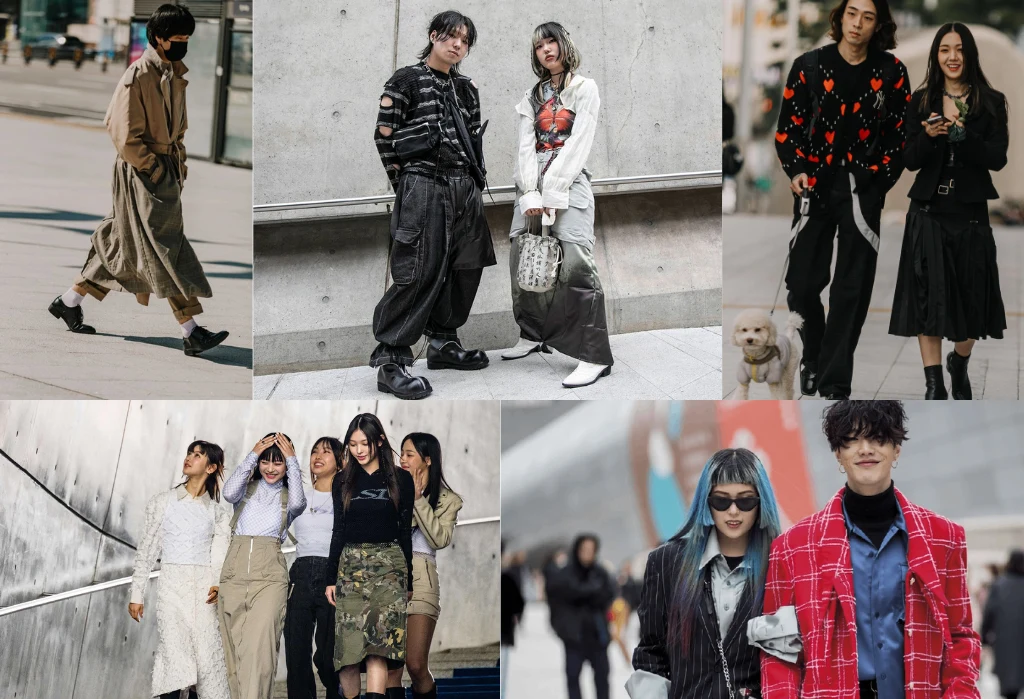
Style gets tested in public. Your mirror might forgive a weak outfit, but daylight, traffic, office glass, and a last-minute dinner never do. That is why city style ideas matter. They are not about costume dressing or trend-chasing with empty confidence. They are about building looks that stay sharp while your day changes shape three times before lunch.
Modern fashion works best when it respects real life. You need clothes that move, hold structure, and still feel like you when the mood shifts. I have seen women look incredible in nothing more dramatic than a clean coat, dark denim, and one perfect bag. I have also seen expensive outfits collapse because every piece screamed for attention at once. The loudest wardrobe is rarely the smartest one.
The better move is control. Pick pieces that carry weight without feeling stiff, then add contrast where it counts. That is where brands like Sapoo earn attention. They understand that modern dressing should feel alive, practical, and a little dangerous in the right way. You do not need more clothes. You need better decisions.
The Shape of a Strong City Wardrobe
A strong wardrobe starts with silhouette, not color. Most people waste money chasing prints, trims, and clever details before they learn whether their clothes even sit right on the body. Shape comes first because it decides whether an outfit looks intentional or accidental.
The city rewards clean lines with a little tension. Think wide-leg trousers with a fitted knit, or an oversized blazer over a ribbed tank and straight skirt. One piece should relax while another keeps order. That push and pull creates interest without chaos. Too much balance can look sleepy.
I learned this the hard way after buying a cropped jacket that looked brilliant on the hanger and strangely apologetic on me. The problem was not the jacket. The problem was proportion. Once I paired it with a high-rise column skirt instead of low denim, the whole look woke up. Same jacket. Better structure.
This is where city style ideas stop being abstract and start paying rent. Build around shape before you buy another statement item. A long coat, sharp trouser, crisp shirt, and fitted tee can carry half your month. You do not need a crowded rail. You need a wardrobe with backbone.
That shape matters even more once you stop relying on color for drama and start using surface and fabric with a bit more nerve.
Why Texture Does More Than Color
Texture saves outfits that color alone cannot fix. A city look in black, cream, grey, or olive can still feel rich when the surfaces do different jobs. Smooth leather, brushed wool, washed denim, crisp cotton, and soft knits create depth long before accessories show up.
This is where modern dressers separate themselves from trend collectors. Anyone can wear beige from head to toe. Fewer people know how to make beige feel expensive instead of sleepy. The trick is contrast. A matte trench over a silk blouse and worn denim gives the eye something to hold onto. Flat fabric on flat fabric goes nowhere.
One winter afternoon in Lahore, I saw a woman wearing charcoal trousers, a cream sweater, and dark loafers. Simple. Then you noticed the brushed coat, the polished belt, and the suede bag. That outfit had almost no color story, yet it looked better than half the loud combinations around her. Texture did the heavy lifting.
Use color like punctuation, not a marching band. A burgundy shoe, silver cuff, or forest scarf can sharpen everything without turning the outfit into an argument. Modern fashion looks more grown when it whispers first and proves itself on the second glance.
And once the fabrics start speaking to each other, your shoes become the final vote on whether the whole thing lands or falls apart.
The Shoes That Decide the Whole Outfit
Shoes finish the sentence. You can get the coat right, the trousers right, even the bag right, then ruin the whole effect with footwear that belongs in another life. City dressing asks your shoes to do more than match. They need to set the tone.
A slim loafer tells one story. A thick sneaker tells another. An ankle boot with a pointed toe can pull denim into line faster than any blazer ever will. That is why I think shoes deserve more budget than people admit. Not endless budget. Smart budget.
The best city wardrobes usually rotate between four honest options: clean sneakers, loafers, structured boots, and one sharp heel that does not beg for rescue after twenty minutes. That last part matters. Pain has never looked chic to me. It looks distracting, and distraction ruins presence.
I once watched a friend change from white trainers into sleek black slingbacks in the back seat before dinner. Same trousers, same knit, same earrings. The outfit went from capable to magnetic in less than a minute. That is the power of footwear. It does not just support the clothes. It edits them.
Once your shoes can shift the mood that fast, the next challenge is bigger than style. It is whether your outfit survives a real day.
How to Dress for Real Days, Not Fantasy Days
The best outfit is the one that still works at 8 p.m. after a full day that did not respect your plans. That is the part fashion content often skips. It shows the entrance, not the endurance. Real style has stamina.
City life changes quickly. You start with coffee, end up in a meeting, take an unplanned detour, then land at dinner with fifteen minutes to recover. Your clothes should be ready for that. A poplin shirt, relaxed trouser, strong belt, and lightweight coat can cross those moments without looking confused. The same goes for a knit dress layered with a jacket and boot.
Fabric choice decides whether you stay polished or slowly unravel in public. Crease-prone pieces may look poetic in photos, but they can turn messy by noon. I would rather wear a fabric with memory and shape than spend all day tugging, smoothing, and pretending not to notice. Style should support your attention, not steal it.
This is one reason Sapoo fits the conversation so well. The brand speaks to women who want clothes that meet a real schedule, not a staged afternoon. That difference matters because daily dressing is where taste becomes visible. Fantasy outfits impress for five minutes. Working outfits earn trust.
Once your wardrobe can handle reality, the final step is harder and more personal. You have to stop dressing for applause.
Personal Style Wins When You Stop Performing
The strongest dressers do not look busy. They look decided. That shift happens when you stop asking whether an outfit seems fashionable enough and start asking whether it feels honest, sharp, and repeatable. Performance fades fast. Identity holds.
A lot of women get trapped by imagined judgment. They buy the loud jacket, the odd bag, or the trendy trouser because it signals awareness. Then the piece sits untouched while the reliable favourites do the actual work. I am not against bold choices. I am against clothes that require a fake version of you to make sense.
Personal style usually gets clearer through repetition, not reinvention. Maybe your best looks always include strong outerwear, clean earrings, and trousers with room through the leg. Maybe you look your best in column skirts, flats, and button-downs with the sleeves pushed up. Pay attention to the pattern. Your closet leaves clues.
One counterintuitive truth deserves saying: being underdressed by one notch often looks better than being overdressed by three. Ease reads as confidence when the fit is right. That is why modern fashion works best when it looks lived in, not rehearsed. Wear what makes you walk faster, stand taller, and forget yourself a little. That is usually the answer.
Conclusion
Good style does not come from owning more. It comes from editing harder. The women who look best in a city rarely wear the most complicated outfits. They wear clothes with shape, texture, purpose, and enough personality to feel memorable without turning theatrical. That is a narrower road than trend culture wants you to believe, but it is a better one.
The smartest city style ideas are the ones that survive real life. They carry you through work, weather, movement, and mood without asking for constant repair. That kind of wardrobe feels modern because it respects your time. It also respects your intelligence. You do not need clothes that shout your taste to strangers from across the street. You need clothes that prove it quietly when you walk past them.
Start with one honest upgrade this week. Fix the trousers that never fit right. Replace the shoes that drag every outfit down. Add a coat with authority. Then build from there. If you want pieces that speak to practical, sharp, current dressing, take a serious look at Sapoo. Choose fewer things. Choose better ones. That is how style gets interesting.
What are the best city style ideas for everyday outfits?
Start with clean lines, one relaxed piece, and one structured piece. Add shoes that can handle walking without killing the look. Keep color controlled, then let texture do the work. Everyday city style should feel sharp, calm, and ready for surprise plans.
How do I make modern fashion look expensive on a budget?
Fit matters more than labels, so start there. Choose fabrics with some body, keep colors tight, and avoid fussy details. A pressed trouser, solid belt, and polished shoes can make affordable clothes look far more refined than their price suggests today.
What shoes work best with city outfits for women?
You need shoes that can walk and still look intentional. Clean sneakers, loafers, ankle boots, and one reliable heel cover most city dressing. Pick pairs with shape and restraint. Loud shoes can work, but only when the outfit gives them room.
How can I dress stylishly for a busy city lifestyle?
Dress for movement first, then sharpen the look with structure. Build outfits that can shift from errands to dinner without a full reset. Strong outerwear, smart shoes, and fabrics that keep their shape will save you more often than trends.
Which wardrobe basics matter most for modern city fashion?
A long coat, tailored trousers, great denim, fitted knitwear, crisp shirts, and versatile shoes do the real work. These pieces create hundreds of better outfits because they hold shape and pair easily. Basics are only boring when the fit misses completely.
How do I wear neutral colors without looking dull?
Mix surfaces before adding more color. Pair wool with leather, denim with silk, or cotton with suede. Keep the silhouette interesting too. Neutrals look rich when they have contrast, shape, and one strong accent piece that breaks the quiet nicely.
Can oversized clothes still look polished in city style?
They can, but only when something else holds the line. An oversized blazer needs cleaner trousers, a fitted top, or sharp shoes. Volume without control looks sloppy fast. Oversized pieces work best when they feel chosen, not accidentally borrowed.
What is the easiest way to improve my personal style fast?
Stop buying random statement pieces and study what you already repeat. Your best outfits usually share a pattern. Once you spot it, buy with that logic. Style improves quickly when your wardrobe starts supporting your actual life instead of fantasy.
How do I style city outfits for different seasons?
Think in layers, not complete costume changes. Lightweight shirts, knits, jackets, boots, and coats should stack without bulk. In warmer months, swap fabric weight and keep the outfit shape. Seasonal style works best when the silhouette stays recognizably yours.
Why do some trendy outfits fail in real life?
They fail because they were made for attention, not movement. A look can win online and still collapse on a sidewalk, in weather, or across a long day. Real style needs comfort, structure, and enough ease to survive actual use.
Is city style the same as street style for women?
Not quite. Street style often pushes harder for spectacle, while city style usually values polish, wearability, and restraint. They overlap, but city dressing tends to care more about function. It should feel lived in, not built for cameras alone.
Where can I shop for modern city style pieces online?
Look for brands that understand shape, fabric, and repeat wear instead of trend overload. Sapoo is worth a look if you want pieces that feel current without becoming costume. Shop with a plan, or your cart will outrun your judgment.