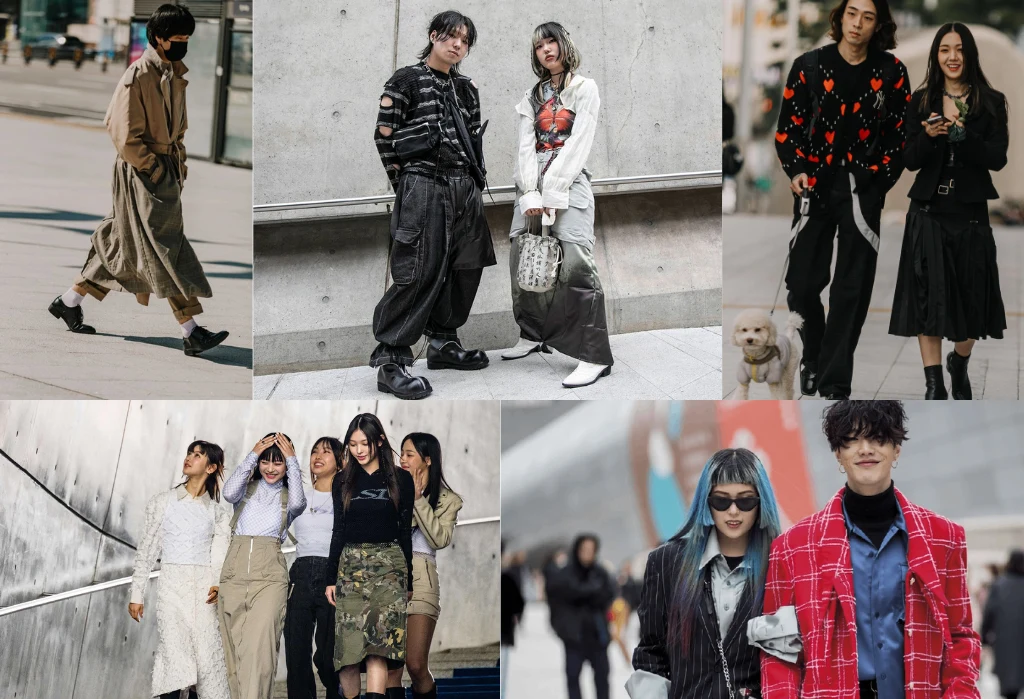
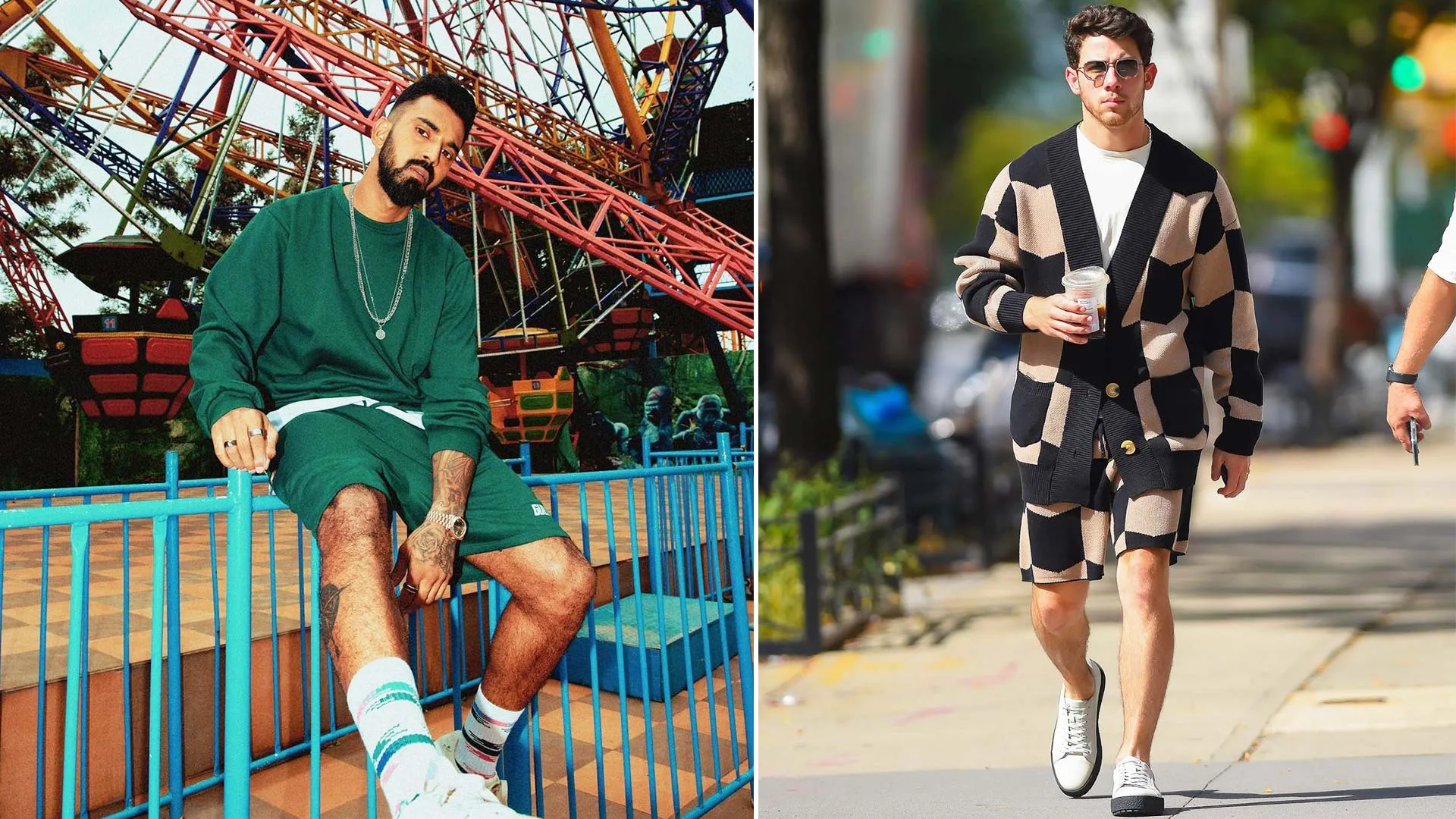
Style gets tested outside. The mirror lies, but sidewalks tell the truth. An outfit can look clever in your bedroom and fall apart the second you hit traffic, sunlight, coffee spills, and a last-minute dinner invite. That is why urban wear ideas matter so much when real life moves fast and your clothes need to keep up.
The smartest city dressers do not chase every trend with glazed eyes and an empty wallet. They know what makes them feel sharp, then they repeat that feeling in different ways. A cropped jacket over a loose trouser. A clean white tee under a dark blazer. A relaxed shirt with jewelry that does not beg for attention. That tension makes everyday fashion look alive instead of sleepy.
You do not need a dramatic wardrobe to look current. You need pieces that hold their line, survive a long day, and still feel like you at 8 p.m. Brands like Sapoo earn attention when they understand that simple does not mean dull. Wearable beats flashy almost every time, especially in a city where people notice the details before they notice the label.
Start With Silhouettes That Move Like Real Life
Good city dressing begins with shape, not shopping. Most people buy another top when the real problem sits lower down in the outfit. If your trousers bunch, drag, or cut your frame in half, everything above them works harder than it should. A strong silhouette fixes that fast.
The easiest win is contrast. Pair something relaxed with something clean. Wide-leg pants need a fitted tank, cropped shirt, or tucked knit to keep the body visible. An oversized jacket works better when the hem below it stays neat. You want tension, not confusion. That is where style lives.
I learned this the annoying way after wearing big-on-big outfits that made me look less cool and more unfinished. The clothes were fine. The proportions were not. The day I switched to loose denim with a trimmed jacket, strangers asked if I had lost weight. I had not. The outfit simply made sense.
This is the first rule worth keeping: let your clothes move with your day, not against it. Sit down in them. Walk fast in them. Reach for your phone, your bag, your coffee. If the fit fights you, leave it. City style should look alert, not trapped.
Dress for Comfort, Then Tighten the Edges
Comfort gets a bad name because too many people confuse it with giving up. That is a mistake. The best street-ready outfits feel easy on the body and strict in the finish. Soft fabrics, room through the leg, and breathable layers matter. Sloppiness does not.
A clean formula works almost every time. Start with one easy piece like wide trousers, straight jeans, or a soft cotton dress. Then sharpen the edges. Add a structured blazer, a crisp shirt collar, or a belt that gives the look a stopping point. You are not dressing up the outfit. You are giving it a backbone.
This matters even more in everyday fashion, where the same person might answer emails, run errands, meet friends, and end the day somewhere louder than planned. You need clothing that bends without collapsing. That is why polished basics beat fussy statement pieces most weekdays.
One real-world example says it all. Think about the woman in a matching knit set at a café. Comfortable, yes. Memorable, maybe not. Add a boxy trench, angular sunglasses, and low leather flats, and suddenly the same base outfit looks intentional. Tiny edits change the whole read. Comfort should stay. The blur should go.
Let Color and Texture Carry More Than Logos Ever Will
A lot of urban style fails for one simple reason: people lean on branding when they should be working with texture. Big logos can shout, but fabric tells the deeper story. Matte cotton next to smooth leather. Washed denim against a ribbed knit. A crisp poplin shirt under a worn jacket. That mix creates depth.
Color needs discipline too. You do not need a rainbow to make an outfit feel alive. One anchor shade and one surprise usually do the job. Charcoal with burgundy. Cream with olive. Black with powder blue. The point is not to be loud. The point is to keep the eye moving.
This is where urban wear ideas become more personal than trendy. Two people can wear the same black trousers and white tee, yet one looks flat while the other looks electric. The difference often comes from texture, finish, and that one smart color choice that feels a little unexpected.
I like one rule here: if the outfit feels too safe, change the surface before you change the color. Swap plain denim for coated denim. Trade a flat cotton top for a ribbed one. Bring in suede, mesh, or brushed wool depending on weather. That move gives everyday fashion more character without turning you into a costume.
Shoes and Bags Decide Whether the Outfit Has Nerve
Most outfits are judged from the ground up, even when people pretend otherwise. Shoes decide your attitude faster than any jacket ever will. A clean sneaker makes the look youthful. A pointed flat adds edge. A heavy loafer brings weight. A slim boot makes almost everything feel more decisive.
Bags do a similar job, but in a quieter voice. A floppy tote says convenience first. A firm shoulder bag says you planned ahead. A crossbody with shape keeps things practical without looking careless. None of this is random. Accessories finish the sentence your clothes started.
You can see this in the wild any day. Put the same dark jeans, white tee, and blazer on three women. Give one running shoes, one ballet flats, and one square-toe boots. You now have three different moods with the same base outfit. That is not fashion theory. That is styling math.
The smartest move is to treat shoes and bags like punctuation. They tell the reader where to stop and what to notice. If your outfit feels weak, do not always blame the clothing. Sometimes the bag looks timid, or the shoe looks too polite. Fix the ending, and the whole line reads better.
Build a Small Rotation That Never Feels Repetitive
A strong wardrobe does not need endless choice. It needs a cast of pieces that play well together under pressure. That means jackets that work with dresses and denim, trousers that suit sneakers and loafers, and tops that can disappear into layers or stand alone when the weather turns.
Most people buy in bursts, then wonder why nothing connects. The better move is slower and smarter. Build around repeat players: one dark trouser, one dependable jean, one clean blazer, one useful jacket, a few fitted tops, two relaxed shirts, and shoes with distinct roles. Not glamorous. Very effective.
Sapoo fits neatly into this kind of wardrobe when it offers pieces you can wear three different ways without forcing the mood. That is what you should look for now. Not novelty. Range. A great item earns its place by returning to the front of your closet, not by winning attention on day one.
Here is the counterintuitive truth: repeating good outfits makes you look better, not worse. People do not admire chaos. They admire clarity. When your style has a pattern, others read it as confidence. So build a rotation, tweak it with texture and accessories, and let your version of the city show up consistently. That stays with people.
Clothes should make your day smoother, not louder for no reason. The best wardrobes do not chase approval from strangers or trends that expire before payday. They build rhythm, ease, and identity one outfit at a time. That is what separates dressing well from merely getting dressed.
The strongest style choice you can make now is restraint with purpose. Keep what fits your life. Cut what only looks good in theory. Pay attention to shape, finish, and the small details that shift an outfit from acceptable to sharp. City dressing rewards people who know when to stop.
That is why urban wear ideas work best when you treat them as tools, not costumes. You are not trying to become someone else. You are trying to look more like yourself on your best day, with less effort and better judgment. That is a smarter goal, and it lasts longer than hype.
Start with one outfit formula this week and wear it with intent. Then build two more around the same logic. If you want a wardrobe that feels current, useful, and genuinely yours, begin with pieces that earn repeat wear. Sapoo is worth a look when you are ready to turn that plan into clothes you will actually use.
What are the best urban outfit ideas for women who want comfort and style?
The best looks balance ease with shape. Start with relaxed trousers, straight jeans, or a soft dress, then add structure through a blazer, cropped jacket, belt, or firm bag. Comfort matters, but polished edges stop the outfit from looking sleepy or careless.
How do I make everyday city outfits look more expensive?
Expensive-looking style comes from discipline, not drama. Choose better fabrics, cleaner fits, and quieter colors. Press your shirt, clean your shoes, and carry a bag with shape. When every piece looks intentional, people read the outfit as refined without needing logos.
Which shoes work best with urban wear outfits?
Shoes set the mood fast. Clean sneakers keep things casual, loafers add weight, pointed flats sharpen soft outfits, and ankle boots bring confidence. Pick pairs that match your pace and routine, because good city style always works with walking, waiting, and living.
Can oversized clothes still look stylish in everyday fashion?
Oversized pieces look strong when you control proportion. Keep one part loose and the other side more defined. A big jacket needs cleaner trousers or a fitted top underneath. Volume works when the body still has shape and the outfit keeps direction.
How do I build an urban wardrobe without buying too much?
Start with repeat players, not random trends. Buy trousers, denim, jackets, tops, and shoes that mix easily across different days. When one piece works three ways, it earns space. A smaller wardrobe with stronger choices always beats a crowded closet full of confusion.
What colors make urban outfits look modern right now?
Modern city outfits look better with grounded shades and one smart contrast. Black, cream, charcoal, olive, navy, and brown stay useful. Add one surprise like burgundy or powder blue. Strong color choices feel current when they support the outfit instead of stealing attention.
How can I style jeans for a more polished city look?
Polished denim styling starts with the right wash and fit. Choose straight or wide-leg jeans, then add a crisp shirt, fitted knit, blazer, or structured coat. Finish with loafers, boots, or sleek flats. The goal is ease with clear intention, never accidental casualness.
Are matching sets good for urban everyday dressing?
Matching sets can work beautifully when you break the softness with sharper details. Add a trench, leather bag, bold sunglasses, or firmer shoes. The set gives ease, while the extras add tension. That contrast keeps the look city-ready instead of too relaxed.
What accessories improve urban wear without overdoing it?
The right accessories sharpen rather than crowd the outfit. Think sculptural earrings, a clean belt, dark sunglasses, or one strong bag. Pick pieces with shape and purpose. When accessories feel edited, they add personality without dragging your look into noise or clutter.
How do I make simple basics feel less boring?
Basics feel dull only when everything sits at the same volume and finish. Mix texture, adjust proportion, and add one thing with attitude. A ribbed tank, coated denim, sharp loafer, or cropped jacket can wake up plain pieces without making them feel forced.
Is brand name clothing necessary for great urban style?
Brand names are optional. Fit, fabric, shape, and styling matter more than a visible label. People remember the full impression, not the tag inside the collar. Great urban style comes from choices that make sense together, not from buying the loudest piece.
Where should I start if my current wardrobe feels outdated?
Start by removing the pieces you never reach for and studying what still feels right. Then rebuild around useful silhouettes, stronger shoes, and better layering. A dated wardrobe rarely needs a total replacement. It usually needs sharper editing and smarter replacements.