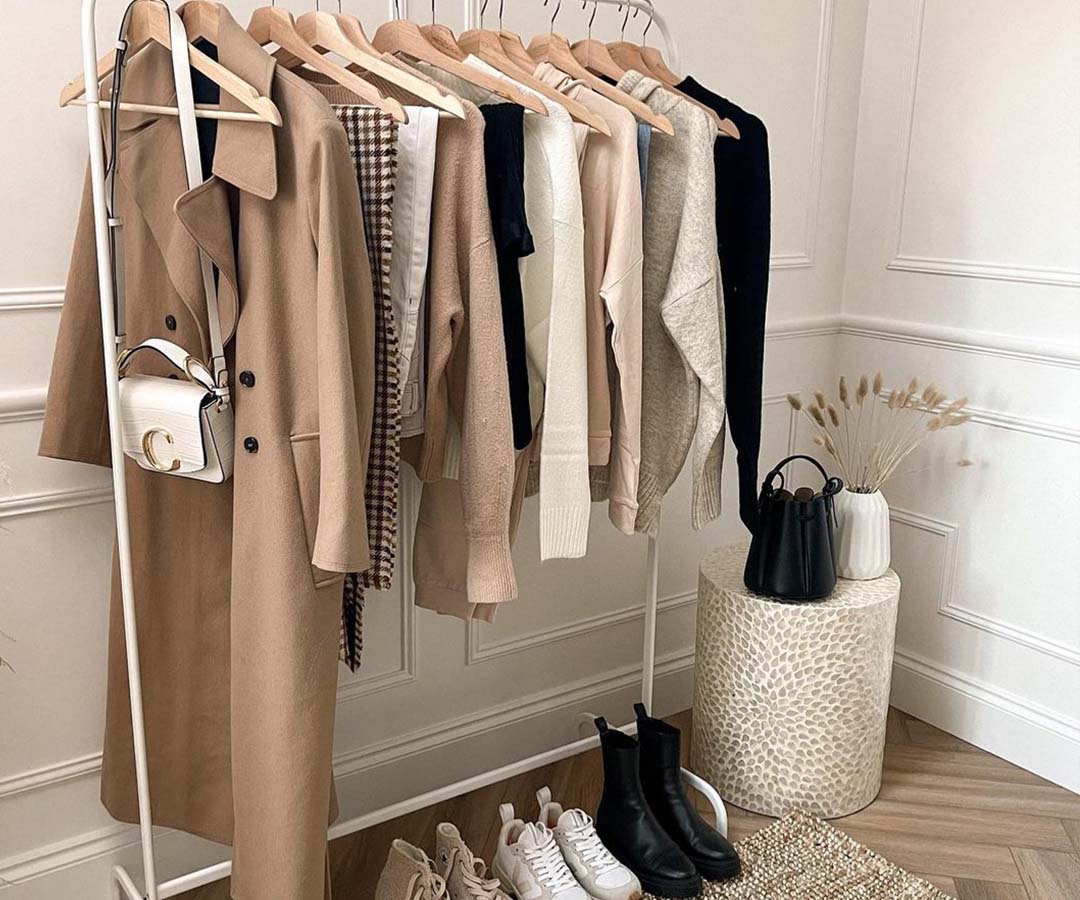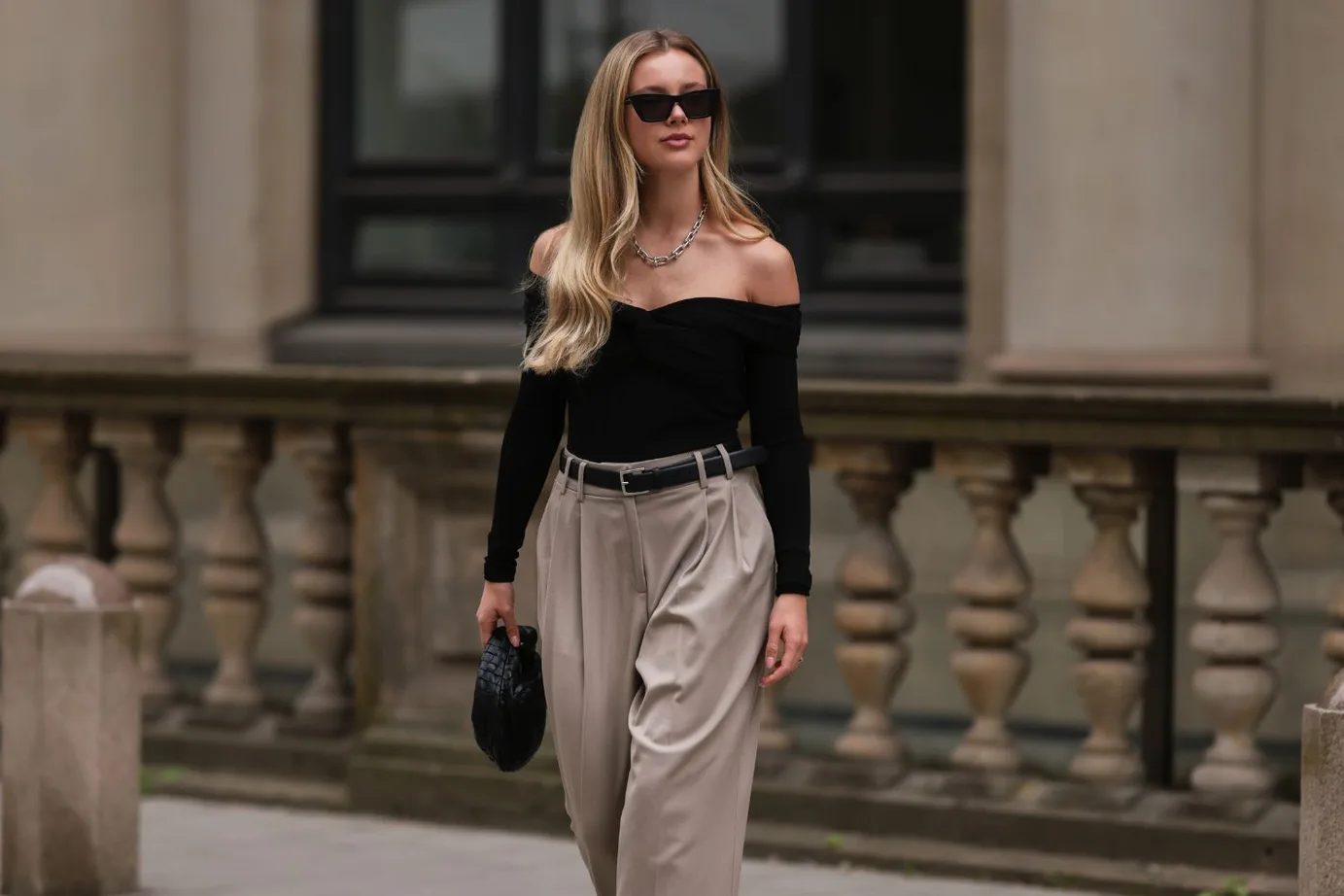

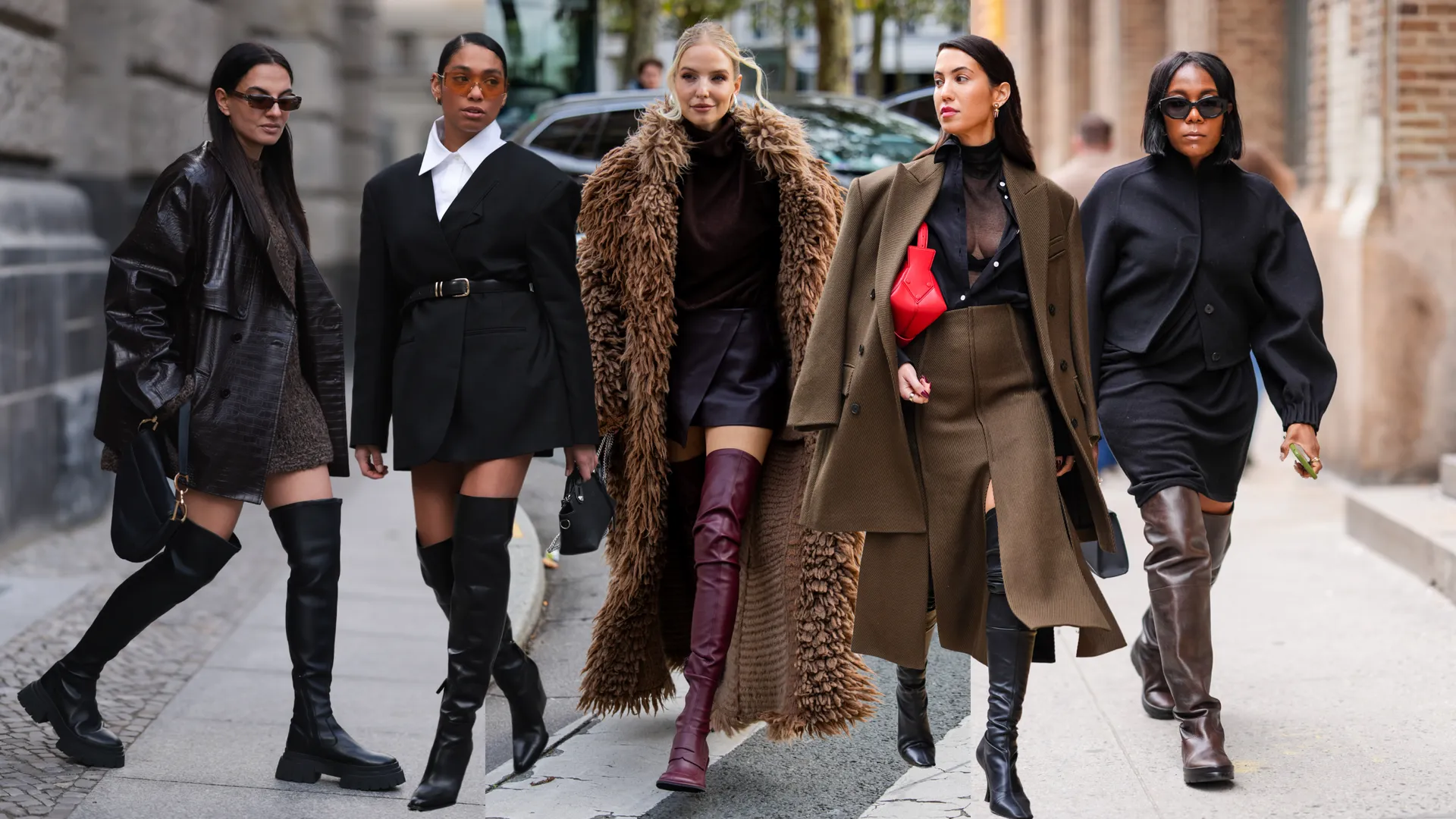
Soft outfits can fall flat when every piece feels too polished. The right shoe gives the whole look a pulse, and lug sole boots do that better than almost anything else in a modern closet. They add weight, grip, and a little attitude without pushing your style into costume territory. For American women balancing work, errands, brunch, dates, school runs, and weekend plans, that matters. A floral dress with delicate sandals can feel expected, but the same dress with a strong boot suddenly looks current. Fashion editors, stylists, and everyday shoppers now treat contrast as the secret behind memorable personal style, and smart style coverage from modern fashion voices keeps proving the same point: feminine pieces often look sharper when they are not styled too sweetly. The goal is not to make every outfit harder. The goal is balance. A boot with a thick tread can ground lace, satin, pleats, knits, and soft tailoring in a way that feels confident instead of forced.
Why Lug Sole Boots Make Feminine Style Feel More Current
Feminine dressing has changed because women no longer want outfits that look fragile. A pretty outfit still has room for softness, but it also needs movement, weather sense, and a little backbone. That is where stronger footwear steps in.
Soft Clothes Need One Grounding Piece
A slip skirt can look elegant on its own, but it may feel too delicate for a regular Tuesday in Chicago, Seattle, or Boston. Add a black ribbed sweater and a pair of chunky boots, and the outfit suddenly feels street-ready. The skirt still brings movement, but the boots keep it from looking like evening wear at noon.
This contrast works because the eye needs tension. A full outfit made of soft pieces can look lovely, yet it often lacks direction. One strong shoe gives the look an anchor. It tells people the outfit was chosen, not copied from a mannequin.
A good example is a cream midi dress under a cropped denim jacket. With ballet flats, it reads sweet. With sturdy treaded boots, it reads personal. That small change can make the same dress work for a coffee shop, a casual office, or a weekend market.
Edgy Boots Can Still Look Polished
Many women avoid heavier boots because they fear looking too harsh. That fear makes sense, especially if your closet leans toward wrap dresses, cardigans, soft blouses, and lighter colors. The trick is choosing clean lines, not overly decorated hardware.
A smooth leather boot with a defined tread feels sharper than a flat ankle boot, but it can still look refined. Avoid too many buckles, chains, studs, or contrast laces when you want range. Those details can work, but they narrow the outfit options.
The unexpected part is that a plain heavy boot often looks more elegant than a dainty shoe. It gives a floral dress structure. It makes a pleated skirt feel less precious. It lets a pastel coat look intentional instead of sugary.
Styling Lug Sole Boots With Dresses, Skirts, and Soft Layers
Once you understand the contrast, the next move is learning where to place it. Dresses and skirts are the easiest starting point because the visual tension is clear. Soft shape above, grounded shape below.
How to Wear Chunky Boots With Dresses
A midi dress is the safest match because the length creates natural balance. The hem gives the boot enough space to show, but not so much that the outfit feels chopped up. A fitted knit midi, a cotton poplin dress, or a bias-cut dress can all work with chunky boots when the colors speak to each other.
Black boots with a black belt, black bag, or black sunglasses can tie the outfit together. Brown boots pair well with cream, olive, denim blue, rust, and oatmeal tones. The boot should not look like it wandered in from another closet.
Short dresses need a little more care. A loose mini dress with heavy boots can look strong and casual, but a tight mini with the same boots can tilt too young if the styling is not balanced. Add a long coat, oversized cardigan, or structured blazer to pull it back into grown-up territory.
What Makes Skirts Look Better With Treaded Soles
Skirts give you more control because you can choose the top separately. A satin skirt with a cotton tee and a cropped jacket feels casual without losing polish. A pleated skirt with a fitted turtleneck looks smarter when the footwear has weight.
The best skirt length often hits below the knee or mid-calf. That shape lets the boot create a clean bottom line. If the skirt is too long and covers most of the boot, the tread loses its purpose. If the skirt is too short, the boot can dominate.
One quiet styling move works almost every time: match the boot color to the darker shade in the outfit. A navy floral skirt can take black boots. A brown print skirt can take espresso boots. The outfit feels connected without trying too hard.
Choosing the Right Shape, Color, and Fit
A boot can look great online and still fail in your closet. The right pair depends on shaft height, toe shape, sole thickness, material, and color. These details decide whether the boot becomes a weekly favorite or a shoe you only wear when laundry gets desperate.
The Best Boot Shape for Everyday Feminine Outfits
An ankle-to-lower-calf height usually works best for feminine outfits. Too low, and the boot can look like a hiking shoe. Too high, and it may cut into the leg line under dresses or skirts. A shaft that rises a few inches above the ankle gives enough presence without taking over.
Toe shape matters more than many shoppers think. A rounded toe feels casual and relaxed. A slightly squared toe feels modern and cleaner. A narrow almond toe can soften the boot and make it easier to wear with dressier pieces.
Sole thickness should match your personal style. A moderate tread is more flexible than an extreme platform. Huge soles can be fun, but they demand the whole outfit bend around them. A balanced tread lets the boot work with jeans on Friday and a floral dress on Sunday.
Black, Brown, Cream, or Patent: Which Pair Works Hardest?
Black is the easiest color because it adds instant edge. It works with dark florals, gray knits, denim, leather jackets, and most winter coats. For many American wardrobes, black becomes the first pair because it handles rain, city sidewalks, and last-minute plans without drama.
Brown feels warmer and often looks better with softer outfits. It pairs beautifully with ivory sweaters, camel coats, sage dresses, and denim skirts. If your closet has more beige, cream, olive, rust, or gold jewelry, brown may serve you better than black.
Cream boots look fresh, but they need commitment. They brighten darker outfits and look stylish with winter whites, soft pinks, and pale denim. The drawback is care. Snow slush, parking lots, and wet sidewalks can age them fast.
Patent leather brings shine and attitude. It can make a simple outfit feel styled, but it also draws the eye downward. Keep the rest of the outfit calmer when the boot already has a glossy finish.
Building Feminine Outfits That Feel Balanced, Not Forced
Strong footwear works best when the rest of the outfit answers it. The boot should not be the only bold choice, but it should not compete with every other piece either. Balance comes from repeating weight, color, or texture in small ways.
How to Balance Heavy Boots With Light Fabrics
Light fabrics need a bridge. A chiffon skirt with heavy boots can work, but add a knit cardigan, leather belt, wool coat, or structured bag to connect the soft fabric to the grounded shoe. Without that bridge, the outfit can feel split in half.
Texture does much of the work. Ribbed knits, denim, wool, suede, and cotton twill all help heavier footwear make sense. A lace dress with a cropped leather jacket feels more grounded than the same dress with a thin shawl.
A real-world example is a white eyelet dress in early fall. On its own, it may feel too summery. Add a tan trench, brown crossbody bag, and treaded boots, and the dress gets a second life past Labor Day. The boot does not fight the dress. It gives it a new season.
When Accessories Make the Outfit Click
Accessories should echo the boot without copying it too loudly. A black bag, dark belt, silver hoops, or leather watch strap can repeat the boot’s energy. The match does not need to be exact. It only needs to feel related.
Soft accessories still have a place. A silk scarf, pearl studs, or small pendant can keep the outfit feminine while the boot adds edge. That mix is often more interesting than going all-in on one mood.
The mistake is overcorrecting. You do not need a moto jacket, dark lipstick, ripped denim, and metal jewelry every time you wear heavier boots. One or two grounded details are enough. Restraint keeps the outfit stylish.
Making the Trend Work Across Seasons and Real Life
A good boot should not disappear after one season. The strongest pairs move through fall, winter, spring, and cool summer nights with the right styling shifts. That range matters when shoppers want value from every closet purchase.
Fall and Winter Outfits That Still Feel Feminine
Cold-weather outfits often lean bulky, so feminine details matter even more. A wool coat over a ribbed dress can look plain until the boot adds texture. Tights, tall socks, and layered knits help the outfit feel warm without hiding shape.
Black tights with black boots create a long leg line. Sheer tights soften the look for dinner or casual holiday plans. Thick socks peeking above the boot can work with sweater dresses, but keep the sock color calm.
For winter in places like New York, Minneapolis, or Denver, traction is not only about style. A treaded sole handles wet sidewalks better than smooth dress boots. The practical benefit is part of the appeal. Looking good should not require walking like the ground is trying to betray you.
Spring Looks With Floral Dresses and Soft Denim
Spring is where the contrast becomes more playful. Floral dresses, light denim jackets, cotton skirts, and airy blouses all become less predictable with stronger shoes. The boot keeps the outfit from looking too polished for daytime.
A pale floral midi with a faded denim jacket and brown boots feels easy for brunch or a small-town weekend trip. A white blouse tucked into a denim skirt can take black boots when you add a black shoulder bag. The formula is simple, but it does not look lazy.
Warmer days call for lighter fabrics and shorter shafts. You can wear boots with bare legs, but the proportions need intention. A slightly oversized shirt dress, a belt, and ankle-height boots can feel relaxed rather than heavy.
Common Styling Mistakes That Make Heavy Boots Look Awkward
Even strong pieces can go wrong when proportions fight each other. The boot is not the problem most of the time. The issue is usually length, color, or too many competing style messages.
The Hemline Problem Most People Miss
Hemlines can make or break the outfit. A skirt that hits at the widest part of the calf and ends too close to the boot shaft can shorten the leg line. Move the hem slightly higher or lower, and the whole outfit improves.
Wide midi skirts need shape at the waist. Without it, the volume of the skirt and the weight of the boot can drag the outfit downward. A tucked top, cropped jacket, or belt can solve that fast.
Long dresses also need movement. A stiff maxi with heavy boots can feel blocky. A dress with a slit, soft drape, or lighter fabric lets the boot peek through without turning the lower half into one heavy mass.
Why Too Much Edge Can Flatten the Look
A feminine outfit loses its charm when every detail tries to look tough. Heavy boots, dark leather, oversized layers, dark makeup, and aggressive hardware can swallow the softness that made the contrast work in the first place.
Keep one gentle element visible. It could be a soft neckline, a delicate print, a silky texture, or a lighter color near the face. That detail reminds the outfit why the boots matter.
A smart outfit often has one argument, not five. Let the footwear say the bold part, then let the clothes answer with ease. That is how the look stays wearable in real life.
Conclusion
Style gets more interesting when it stops obeying old categories. Pretty does not have to mean fragile, and edgy does not have to mean severe. The best outfits sit somewhere in the middle, where a soft dress can handle a tougher shoe and a practical boot can still feel refined. That tension is what makes lug sole boots worth keeping in rotation. They help feminine outfits feel grounded, current, and ready for the pace of an actual day, not a staged photo. Start with one clean pair in black or brown, then test them with the softest pieces you already own. A floral dress, satin skirt, knit set, or pleated midi may look more like you once the footwear has some weight. Build from there, and let contrast do the work. Choose one outfit this week that feels too sweet, add stronger boots, and watch the whole thing wake up.
Frequently Asked Questions
How do you wear lug sole boots with a feminine dress?
Choose a midi or relaxed mini dress, then add one grounding layer such as a denim jacket, cropped blazer, or structured coat. Keep the boot color connected to your bag, belt, or outerwear so the outfit feels intentional instead of mismatched.
Are chunky boots still stylish with skirts in 2026?
Yes, chunky boots still work with skirts because contrast remains a strong styling move. Satin, pleated, denim, and knit skirts all look fresher with a grounded sole, especially when the outfit includes one repeated color or texture.
What dress length looks best with heavy boots?
Midi dresses are the easiest because they leave enough boot visible while keeping the outfit balanced. Short dresses can work with longer coats or oversized layers, while maxis need movement, slits, or soft fabric to avoid looking too heavy.
Can feminine outfits look elegant with combat-style boots?
They can look elegant when the boots are clean and the outfit has restraint. Skip excessive hardware, choose a smoother leather finish, and pair the boots with polished pieces like a knit dress, tailored coat, or satin skirt.
What color boots go best with floral dresses?
Black works well with dark florals, while brown feels softer with warm or vintage-style prints. Cream boots can brighten pale florals, but they need more care. Match the boot to one shade in the dress for the easiest result.
Do lug sole boots make legs look shorter?
They can if the shaft height and hemline hit at awkward points. Keep the hem slightly above or below the widest part of the calf, and match tights to the boot color when you want a longer leg line.
Can you wear chunky boots to a casual office?
Many casual offices allow them when the rest of the outfit looks polished. Pair them with a midi skirt, fine knit, blazer, or shirt dress. Avoid overly rugged details if your workplace leans more professional than creative.
What should you avoid when styling feminine outfits with boots?
Avoid piling on too many edgy pieces at once. Heavy boots already bring attitude, so keep at least one soft detail visible. Too much black leather, hardware, and oversized layering can make the outfit feel flat instead of balanced.