

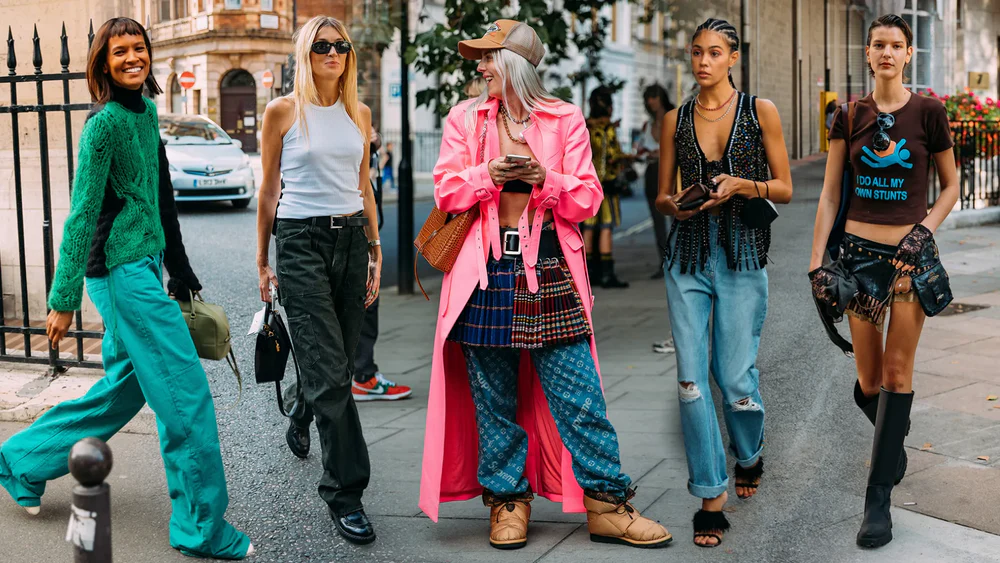
You can spot the difference between a good outfit and a real one in under ten seconds. A good outfit behaves on a hanger. A real outfit survives traffic, bad lighting, a long lunch, and that moment when plans change at 6 p.m. and you still need to look pulled together. That is where city style outfits earn their keep.
Most women do not need more clothes. You need better judgment. A great urban wardrobe is not built on noise, and it does not need a trend report every Tuesday to stay alive. It needs shape, balance, texture, and a bit of nerve. The women who dress well in actual cities know this. They repeat pieces, swap proportions, and let attitude do half the work.
Sapoo understands that sweet spot. The best brands do not just sell clothes. They solve the daily question of how to look sharp without looking staged.
Style should move with you, not boss you around. That is the standard. Once you accept that, your closet stops feeling random and starts acting like a tool you can trust.
Why Your Wardrobe Needs a Strong Foundation
A strong wardrobe starts before the fun part. That sounds boring, but boring is often where great style gets built. When your basics fit well, your whole outfit gets cleaner, calmer, and more convincing. The blazer lands better. The jeans look smarter. Even a plain tee starts pulling its weight.
I learned this the hard way after buying too many “statement” pieces that only worked with one exact mood and one exact mirror. They looked exciting for twelve minutes. Then real life showed up. A cropped jacket fought every trouser I owned. A dramatic blouse needed perfect weather and better patience than I had.
Your foundation should cover the pieces you reach for when you are rushed but still want authority. Think one crisp shirt, one sharp blazer, dark straight-leg denim, a trouser with clean drape, a fitted knit, and shoes you can actually walk in. Not glamorous. Very effective.
Once that base is steady, the rest gets easier. You stop shopping out of panic and start choosing with intent. That shift matters, because the next layer of style is not about buying more. It is about building contrast that gives simple clothes a pulse.
Why Contrast Makes an Outfit Feel Alive
The smartest wardrobes never look too matched. They carry a little tension. That tension is the difference between getting dressed and having style. A soft knit with structured trousers. A polished coat over a worn tee. A sleek bag beside washed denim. Opposites wake each other up.
This is where women often overcorrect. Some go too safe and end up looking flat. Others pile on drama and lose the plot. The sweet spot sits right in the middle. You want friction, not chaos. One outfit should have at least one element that keeps the rest from becoming too polished or too casual.
Think about a woman leaving a café in black trousers, white sneakers, and an oversized camel coat. Nothing there is loud. Still, the mix feels expensive because the shapes disagree in the right way. The coat brings softness. The trousers bring order. The sneakers keep it honest.
That is why chic looks rarely come from copying a full mannequin. They come from understanding which pieces should behave and which piece should misbehave a little. When contrast starts working for you, the next question becomes obvious: what finishes the outfit without killing its edge?
Accessories Decide Whether You Look Sharp or Trying Too Hard
Accessories can rescue an outfit or ruin it in one careless choice. I do not say that to be dramatic. I say it because you can wear a solid outfit and sink it with the wrong bag, tired jewelry, or shoes that belong to a different story. Details speak loudly.
The fix is simpler than most people think. Pick one accessory category to lead and let the others support. If the bag has presence, keep the jewelry lean. If the earrings carry attitude, choose a cleaner shoe. The problem usually starts when every piece demands applause at the same time.
A friend of mine once wore a plain gray knit dress to dinner with sculptural gold hoops and a deep burgundy bag. That was it. No circus. She looked better than people in outfits that had clearly taken an hour. The dress created calm. The accessories created memory.
This is also where city style outfits earn depth without becoming fussy. Belts sharpen shape. Sunglasses add intent. A watch can make denim feel grown. When you get the finishing pieces right, your clothes stop looking accidental. Then you can think bigger than one dinner or one mirror selfie. You can dress for a whole day.
Dressing for Your Actual Day Beats Dressing for a Fantasy
Fantasy dressing wastes money. It fills closets with outfits for a version of life that barely exists. You do not need five looks for rooftop parties if your week is mostly errands, work, coffee meetings, and the occasional dinner that got planned by text at 4 p.m. Dress for your real rhythm first.
That does not mean you should dress like you gave up. It means your wardrobe should cover movement, weather, and timing without losing shape. A cropped trench, full-length jeans, a fitted tank, and loafers can move from morning to night with one lipstick switch and a bag change. That is range.
One of the smartest habits I ever stole from stylish women was planning around friction points. Cold office? Carry a structured layer. Long walk? Start with the right shoe. Surprise meeting? Wear something with a collar or clean neckline. This is not dull thinking. It is freedom, because you stop getting caught off guard.
When your clothes can handle your real schedule, you buy less nonsense and feel better in what stays. That creates confidence, and confidence pushes the whole thing into more personal territory. Because the truth is, fit and function matter, but style really gets interesting when your taste stops asking for permission.
Personal Style Gets Better When You Stop Chasing Approval
The fastest way to weaken your style is to dress for imaginary judges. Too many women build wardrobes around being liked instead of being seen clearly. You can feel that hesitation in an outfit. It shows up in timid shoes, safe bags, and pieces that say nothing because they are trying not to offend anyone.
Real style has a point of view. It does not need to shout, but it should stand somewhere. Maybe you love clean tailoring with one rough piece. Maybe you lean into monochrome with strong shapes. Maybe you live for denim, silver jewelry, and jackets that look slightly borrowed. Pick your lane, then deepen it.
This is where brands like Sapoo can help, because consistency matters. When a brand understands proportion, finish, and wearability, you spend less time guessing. You stop buying random items and start editing your wardrobe like someone who knows what belongs there and what does not.
That is the quiet power behind chic looks that actually last. They feel personal before they feel trendy. And once your wardrobe reflects your real taste, the last step is not reinvention. It is commitment.
Style gets better when you stop treating it like decoration and start treating it like language. The clothes you repeat, the shapes you trust, the texture you reach for when you want edge or ease — that is the vocabulary. City style outfits work when they speak clearly.
The goal is not to look expensive every day. The goal is to look certain. There is a huge difference. Certainty makes a white shirt sharper, denim stronger, and a simple coat more convincing than any loud trend ever will. You do not need a closet that performs. You need one that delivers.
So take a hard look at what you wear on ordinary days. Keep the pieces that help you move, decide fast, and still feel like yourself. Cut the rest without guilt. Then rebuild with purpose, not panic.
Start with one solid base outfit, one strong layer, and one accessory that adds intent. That is enough to change how your whole wardrobe behaves. If you want a smarter place to begin, explore Sapoo and build from pieces that can handle real life, not just good lighting.
How do I build an urban wardrobe without buying everything again?
Start with what you already wear most, then fix the weak links. Buy one sharp layer, one reliable trouser, and better shoes. A wardrobe improves through editing, not panic shopping. Small upgrades change the whole picture faster than random hauls ever will.
What colors work best for city outfits for women?
Neutral shades carry most urban wardrobes because they mix easily and stay calm under pressure. Black, cream, navy, gray, olive, and camel do heavy lifting. Then add one rich accent, like burgundy or cobalt, when the outfit needs energy without losing control.
How can I make casual clothes look more polished in the city?
Shape matters more than formality. Tuck the shirt, add a structured bag, choose cleaner shoes, and pay attention to hems. Casual pieces look better when they fit with intent. You do not need fancy clothes. You need cleaner lines and better finishing choices.
Are sneakers still stylish with urban fashion outfits?
Sneakers still work beautifully when the pair looks clean and the outfit has structure elsewhere. White leather, retro runners, and slim court styles all earn their place. The trick is balance. Let the sneakers relax the outfit, not drag everything into laziness.
What jackets make the biggest difference in an urban wardrobe?
A sharp blazer, a cropped trench, and a well-cut leather jacket do more than most trend pieces ever will. Each changes posture and mood fast. Pick the one that matches your life first, then add another once your daily outfits start needing range.
How do I dress stylishly for work and evening plans together?
Build from one anchor outfit that survives both settings. Tailored trousers, a fitted knit, and a strong coat work nearly anywhere. Then switch one element after hours, maybe the shoe or lipstick. Flexibility beats carrying a second personality in your tote.
What mistakes make city style outfits look forced?
Too many competing details usually ruin the effect. Loud shoes, loud jewelry, loud bag, loud print — that mix gets tiring fast. Poor fit also gives the game away. Strong style feels edited. When everything shouts, nothing sounds confident or worth noticing.
How can I find my own urban fashion style?
Pay attention to what you repeat when you feel good, not what influencers keep selling you. Patterns tell the truth. Maybe you love structure, denim, silver, or oversized coats. Start there, refine it, and let consistency shape your style instead of trends.
Do accessories really matter that much in everyday dressing?
Accessories matter because they frame the clothes and signal intention. A plain outfit with the right belt, watch, or bag feels finished. The wrong accessory can flatten everything. Small pieces do not need to scream. They just need to point the outfit somewhere smart.
What fabrics look better in urban outfits throughout the day?
Fabrics with body usually hold up best across a full day. Denim, wool blends, crisp cotton, leather, and dense knits keep their shape and stay convincing. Thin clingy fabrics often collapse by noon. Texture helps an outfit feel richer before color does.
Can I wear trends and still keep a timeless city look?
You can, but trends should play a supporting role. Let one current piece sit beside proven staples, not replace the whole outfit. A trendy shoe with classic trousers works. Five trend-led pieces together usually date fast and leave your wardrobe feeling confused.
Where should I start if my closet feels chaotic and uninspired?
Start by pulling out the pieces you wear weekly and asking why they win. Then remove what pinches, droops, or creates decision fatigue. Build around the survivors. Brands like Sapoo help when you want sharper replacements that still feel wearable every day.