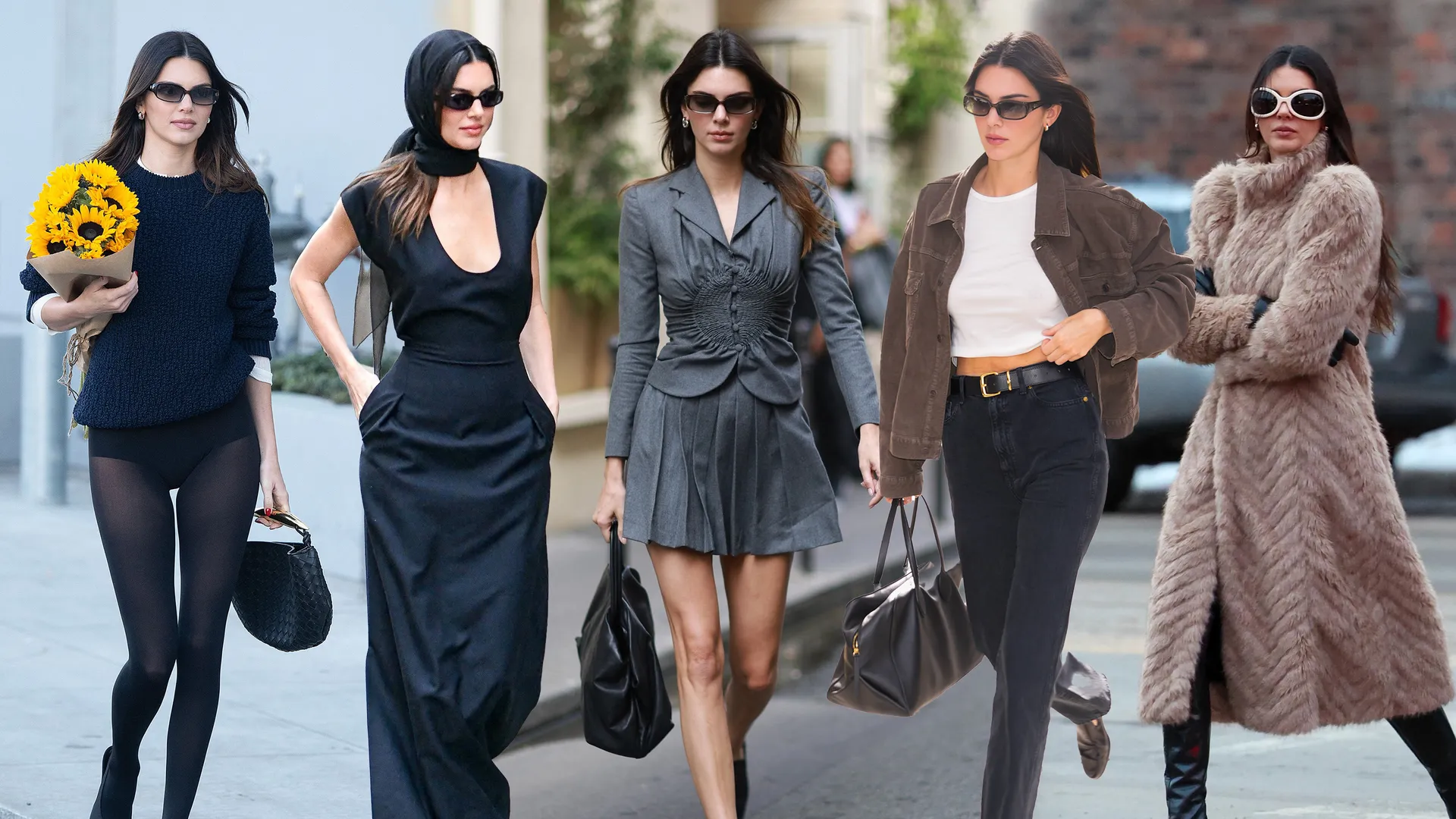
Style gets tested outside. Your outfit has to survive bright daylight, bad mirrors, rushed mornings, long walks, surprise coffee plans, and that one moment when you catch your reflection in a shop window and get the truth. That is where urban fashion tips stop being fluff and start being useful.
You do not need a closet packed with drama to dress well in a city. You need pieces that move, hold shape, and still feel like you after ten hours of real life. The smartest dressers are not always the loudest ones. They know what works on their body, what holds up during a normal day, and what deserves a repeat.
That is why daily style should feel practical without turning dull. A clean trouser, a loose shirt, a strong bag, a jacket with a bit of edge—those pieces earn their keep. Brands like Sapoo stand out when they focus on wearable style instead of costume dressing. Good fashion should not ask you to suffer for the look. It should back you up.
The real trick is simple: dress with intention, then leave some air in the outfit. Perfect is boring. Lived-in and sharp wins every time.
Build Your Outfit Around One Strong Anchor
The easiest way to get dressed well is to stop treating every piece like the star. Pick one anchor and let the rest support it. That anchor might be a great black trouser, a crisp oversized shirt, or a structured jacket that instantly makes your posture look better.
A city outfit falls apart when everything shouts at once. I have seen women wear a bold printed top, chunky jewelry, dramatic shoes, and a statement bag in one go. The result was not stylish. It was noisy. One hero piece creates order, and order reads as confidence.
A straight-leg jean is a perfect example because it gives you room to move without looking lazy. Pair it with a fitted knit and clean sneakers, and the outfit feels calm. Switch the knit for a cropped blazer, and suddenly you look ready for lunch in a nicer part of town.
This is where daily dressing gets easier. When you know your anchor pieces, you waste less time and make fewer bad choices before 9 a.m. The closet feels smaller, but your options actually get better.
Fit Matters More Than Trend Cycles
Once your anchor is doing its job, the next battle is fit. Most outfits do not fail because the idea was wrong. They fail because the shape was off by two inches. Too tight at the hip, too long at the hem, too boxy through the shoulder. Small mistakes ruin strong clothes.
You can wear a very simple outfit and still look expensive if the fit is right. A white shirt that skims instead of balloons, trousers that stop cleanly above the shoe, and sleeves that end where they should do more for you than any hot trend ever will.
I learned this the hard way with oversized blazers. Some made me look sharp. Others made me look like I borrowed one in a hurry from a cousin twice my size. The difference was shoulder line, sleeve break, and where the jacket hit on the thigh. Not magic. Just fit.
That is also why tailoring is not some fancy extra. It is basic maintenance. Hem the trouser. Shorten the sleeve. Fix the waist. Trendy clothes come and go, but a good fit keeps an outfit standing tall when the trend has already packed up and left.
Use Contrast Instead of Chasing More Pieces
Fit handles the structure, but contrast brings the outfit to life. The best city looks usually hold a little tension. Something polished sits next to something relaxed. Something soft meets something sharp. That push and pull makes even simple clothes feel intentional.
A satin skirt with a worn tee works because the textures disagree in a good way. A roomy button-down with slim trousers works for the same reason. You are giving the eye a little argument, and that argument makes the outfit interesting without making it loud.
This is where people often overbuy. They think boredom comes from owning too few clothes. Most of the time, boredom comes from styling everything at the same volume. Smooth bag, smooth shoe, smooth top, smooth pant. Nice pieces, dead outfit. You need contrast, not clutter.
That is why urban fashion tips should always include tension. Try a tough jacket over a soft dress. Wear sleek loafers with relaxed denim. Carry a clean leather bag against washed cotton. You do not need more pieces. You need better friction between the ones already in your closet.
Keep Shoes and Bags Honest
After contrast does its work, accessories decide whether the outfit feels believable. Shoes and bags should not betray the rest of your look. If your clothes say effortless city style and your accessories say wedding guest or gym emergency, the whole thing goes sideways.
Good shoes do two jobs at once. They support the mood of the outfit and the reality of your day. That means loafers with bite, sneakers that still look grown-up, ankle boots with shape, or a low heel you can actually survive in. Pain is not style. It is just bad planning.
Bags matter the same way. A slouchy tote can soften a sharper outfit, while a boxy shoulder bag can tighten up something more relaxed. Size matters too. Tiny bags look cute in photos, but they become annoying fast when you are carrying your whole day with you.
Sapoo gets this point right when a collection feels designed for real movement instead of staged poses. The best accessories do not scream for attention. They finish the sentence your outfit already started and keep it from drifting into costume territory.
Repeat Formulas, Not Full Outfits
Once you find the pieces and pairings that work, stop starting from zero every morning. Stylish women repeat themselves all the time. They just do it intelligently. They build formulas. Same structure, different fabric. Same shape, different color. Same mood, better timing.
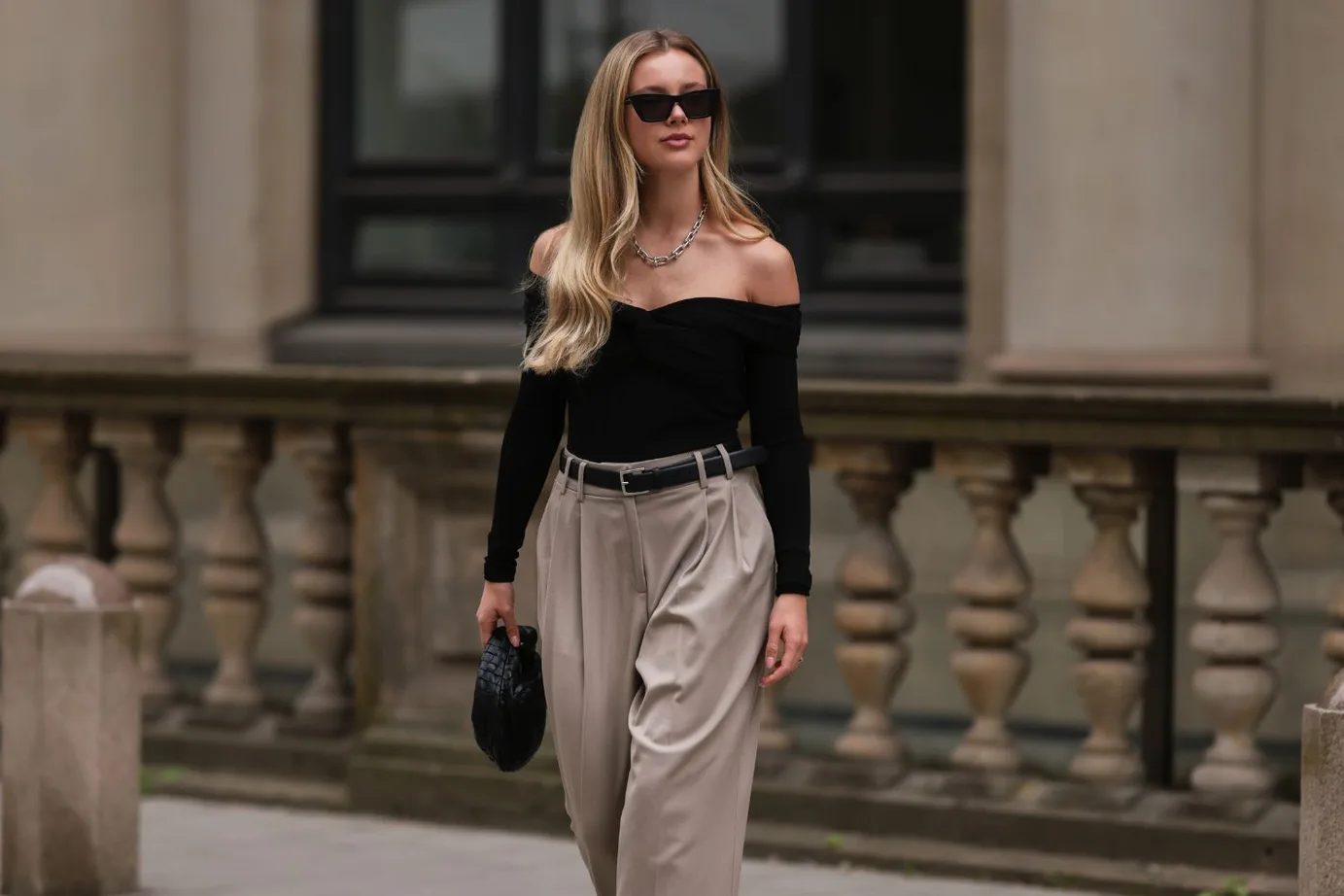
A strong formula might be trouser, fitted top, oversized layer, practical shoe. Another could be straight jean, plain tee, long coat, shoulder bag. These are not boring templates. They are reliable frames that save your energy for better decisions later in the day.
This is where your wardrobe starts to feel personal instead of random. You are not copying a mannequin or dressing for strangers online. You are learning your own rhythm. That is a huge difference, and people can see it even if they cannot explain why.
It also keeps daily dressing from becoming a chore. You do not need twelve brilliant ideas before breakfast. You need three or four formulas that always land, then enough confidence to repeat them without apologizing. Repetition is not a lack of style. It is proof that you found your lane.
Conclusion
The best style advice is rarely flashy. It is usually the kind that helps you leave the house faster, feel better at noon, and still like your outfit by evening. That is why urban fashion tips matter when they are grounded in real movement, real bodies, and real schedules.
You do not need to chase every trend report or buy a new personality every season. Build around an anchor. Respect fit. Use contrast with purpose. Keep your shoes and bags honest. Repeat formulas that make your life easier. That is how a wardrobe starts working for you instead of quietly draining your time and money.
There is also a bigger shift happening here. Women are getting less interested in dressing for approval and more interested in dressing for control. Good. That change is overdue. The sharpest looks now are the ones that feel lived in, smart, and unmistakably owned.
Take one hard look at your closet today and pull out the pieces that already earn their place. Then fill the real gaps with intention. If you want wearable style that actually fits modern life, start with Sapoo and build from there.
What are the easiest urban outfit ideas for women who hate overthinking clothes?
Start with one anchor piece you trust, then build around it. A straight jean, clean trouser, or relaxed shirt gives your outfit direction. Add one sharper item, keep shoes practical, and stop before the mirror talks you into overdoing it today.
How do I make simple clothes look stylish in the city every day?
Simple clothes look better when the shape is right and the styling feels intentional. Tuck one side, roll a sleeve, add a structured bag, or switch tired shoes for sleeker ones. Small choices create polish faster than trendy extras ever do.
Which shoes work best with urban fashion outfits for busy days?
Loafers, sleek sneakers, ankle boots, and low block heels usually win because they balance comfort with shape. The right pair should handle walking, standing, and a surprise plan after work without making your outfit feel heavy, sporty, or painfully precious.
How can I dress urban without looking too trendy or too plain?
Aim for tension, not noise. Mix one relaxed piece with one sharper piece, then keep the rest clean. A blazer over denim or a fitted knit with loose trousers feels current because the contrast works, not because the outfit begs for attention.
What colors make urban daily outfits look more expensive?
Deep neutrals usually do the heavy lifting: black, charcoal, cream, navy, olive, and chocolate. They give outfits calm structure and make mixing easier. One richer accent, like burgundy or rust, adds depth without making your look feel chaotic or try-hard.
How do I build a small urban wardrobe that still gives me options?
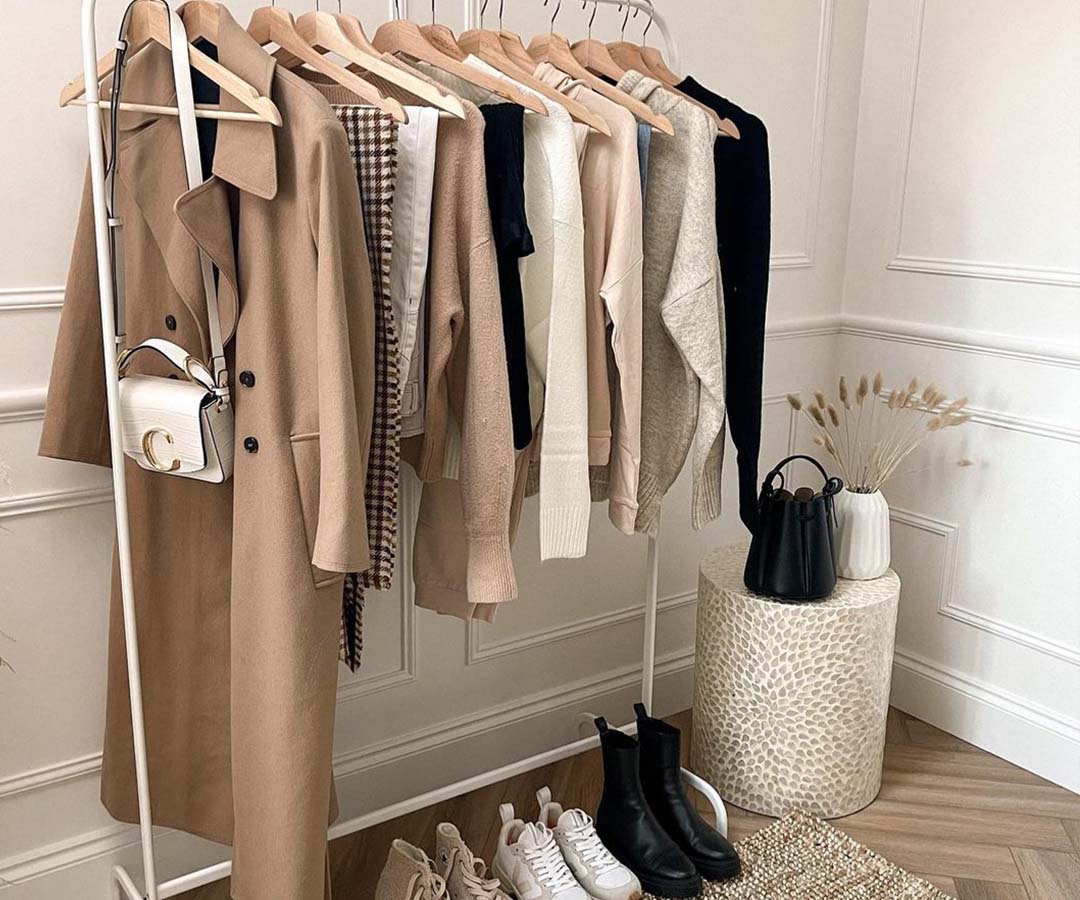
Build around repeatable shapes instead of random pieces. Get trousers, denim, a jacket, two tops with different fits, and dependable shoes. When each item can work in at least three outfits, your closet starts acting smarter than its actual size.
Are oversized clothes still flattering for everyday city style?
They can look great when one part stays controlled. If your shirt runs loose, keep the trouser cleaner. If your pants go wide, tighten the top half. Oversized works when it looks chosen, not accidental, and that distinction matters more than people admit.
How do I accessorize urban outfits without making them look forced?
Pick accessories that support the outfit instead of competing with it. A clean bag, simple jewelry, and solid shoes usually say enough. When every extra piece asks for attention, the outfit loses focus and starts looking dressed up for the wrong reason.
What jackets are best for urban fashion in changing weather?
A cropped trench, clean bomber, oversized blazer, and light wool coat cover most city weather without boxing you in. Choose jackets that layer easily and hold shape. You want something that helps the outfit, not a bulky afterthought thrown on at departure.
Can I wear sneakers with polished urban outfits and still look put together?
Yes, but the sneakers need restraint. Clean lines, minimal fuss, and decent condition matter a lot. Pair them with structured pieces like trousers, a long coat, or a crisp shirt, and they read modern. Pair them with sloppy basics, and everything drops.
How do I know if an outfit feels balanced before I leave home?
Check three things: shape, contrast, and purpose. If one area feels too loud, calm something else down. If everything feels equally soft or equally sharp, add tension. Then ask whether the outfit suits your day. Style should help your life, not interrupt it.
Where should I shop for wearable urban style that feels current?
Shop where the clothes respect real life. Look for brands with clean shapes, repeatable basics, and pieces you can style more than one way. Sapoo makes sense when you want modern outfits that feel sharp, useful, and easy to keep wearing.