
A crowded wardrobe can conceal an unexpectedly small number of outfits. Several nearly identical hoodies might occupy the same shelf, while the trousers needed to make them useful are missing. Building a streetwear wardrobe is therefore less about collecting categories than creating connections between them. The London label ox16 provides examples of the pieces that can form such a network: graphic tees, zip hoodies, track jackets and casual bottoms. Before adding anything new, it helps to think of the wardrobe as a working system in which every item has a reason to be there.
Identify the three outfits you need most often
Write down three circumstances that account for a significant part of your week. They could be casual travel, time spent at college and weekends with friends. If your routine includes work, consider its clothing requirements separately. The purpose is to establish how many kinds of outfit your casual wardrobe must actually support.
For each circumstance, think about the clothes you currently reach for. Note which garments repeatedly appear across several outfits. Those are your foundations. It may be that a pair of dark jeans is much more useful to you than a fashionable pair of joggers, or that zip-front layers suit your routine better than pullovers. A realistic inventory makes the rest of your planning considerably easier.
Establish a foundation of compatible colours
Choose a few colours that you feel comfortable wearing in different situations. There is no reason to start with black if most of your favourite outfits use navy, olive or lighter tones. The point of a foundation palette is to increase the number of possible combinations, not to enforce a minimalist appearance.
Lay out your tops and trousers together to identify which colours already work well. Some combinations will be obvious; others may surprise you. If an item rarely gets worn because nothing seems to complement it, decide whether to find a suitable partner or accept that it no longer serves a purpose. Buying several more items to rescue one awkward garment is not always a sensible solution.
Give your T-shirt collection different roles
A useful selection of T-shirts may include a plain base layer, a graphic piece that can be worn independently and a top with a different colour or silhouette. There is little benefit in buying multiple designs that all perform exactly the same function unless you know that you wear that type of garment frequently.
Look at neckline, hem length and the relationship between a printed design and your outer layers. The Assembly Guide Tee and Smoked Logo Tee are among the graphic styles listed by OX16. Rather than choosing based on the names alone, compare the images and decide which visual treatment suits the clothes you already own. An expressive tee should offer at least one combination that does not require another purchase.
Select an adjustable middle layer
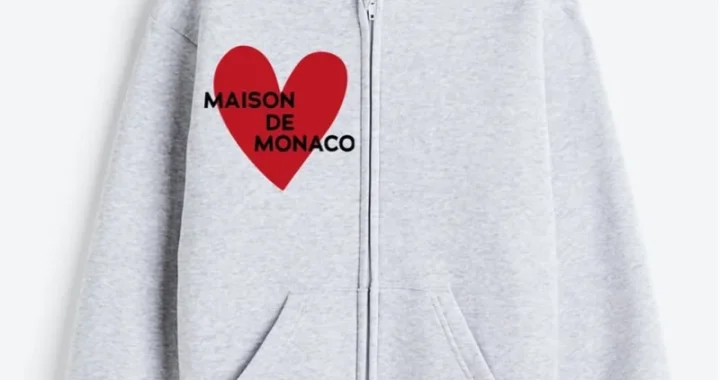
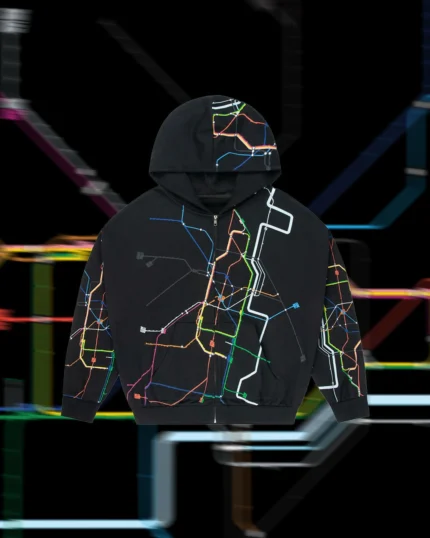
A zip hoodie is a particularly adaptable element in a small casual wardrobe. It can sit over a T-shirt, beneath a suitable jacket or act as the main top on a mild day. Different treatments can give the garment different jobs. A relatively quiet design may be used frequently, while a patterned one might become the main feature of an outfit.
The range at ox16 clothing includes several zip-front hoodies, allowing a shopper to compare visual details as well as the overall shape. Use garment measurements to assess fit rather than assuming that all designs will behave alike. The most useful mid-layer is one that remains comfortable in all the combinations you intend to wear. Check how the hood and sleeves will interact with your existing jackets.
Build variety through your trousers
Changing trousers can alter the entire appearance of a familiar sweatshirt. Straight jeans may give it a more conventional casual character, while track pants introduce a sport-inspired outline. A different hem width can also change which shoes appear appropriate. If the wardrobe already has several similar bottoms, look for a genuinely different role before adding another pair.
Consider the practical aspects of each style. Does the waistband suit long periods of sitting? Will the hem stay clear of wet ground? Is there room to move comfortably? Do not buy trousers simply because they are advertised as the companion to a top you enjoy. They need to make sense independently, unless you specifically want a coordinated outfit for a particular use.
Use outerwear to extend the range of outfits
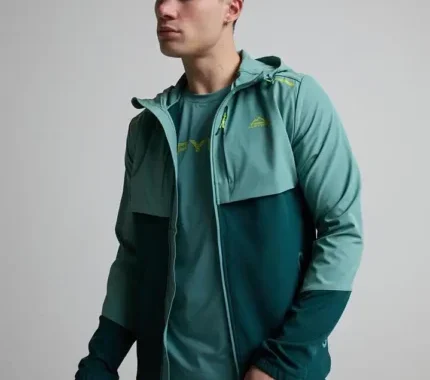
An outer layer should be selected with climate and daily travel in mind. A lightweight jacket can fill a gap between wearing a hoodie alone and using a substantial winter coat. A track jacket may also introduce a more structured shape into an outfit dominated by soft sweatshirts. The function of a particular garment depends on its construction, so check specifications instead of relying on its name.
When space or budget is limited, it may be more practical to prioritise a layer that complements several outfits than to purchase multiple jackets for minor visual differences. Try your existing outerwear with recently acquired pieces before deciding whether a new coat is necessary. Sometimes a different combination reveals that the missing layer was already available.
Plan purchases in a sensible sequence
Make a short list of the gaps you have identified, ordered by how often each one affects your ability to dress. A missing everyday base layer should generally come before an unusual graphic intended for occasional use. This sequence is not about excluding more expressive clothing; it is about ensuring you can actually wear it when you acquire it.
Allow room for changing preferences. A piece that seems essential today may become less important after you discover new ways of combining your existing clothes. Set a realistic clothing budget and avoid treating the entire list as an immediate shopping task. Checking current prices, sizing and returns information before purchasing also helps prevent a mistake from consuming the funds intended for other items.
A wardrobe should develop through use
Once the main categories are in place, wear them and observe what happens. Which combinations are chosen repeatedly? Which pieces need adjusting throughout the day? OX16 streetwear can contribute to a versatile collection when selected with these questions in mind. The aim is not to complete a predetermined shopping list, but to build a group of clothes that reflects your routines and gives you room to experiment. A wardrobe that develops through actual experience is likely to remain more useful than one assembled entirely from aspirational photographs.