Style usually tells the truth before you do. A rushed outfit gives you away in ten seconds, while a sharp one carries you through coffee runs, office hours, late dinners, and those annoying surprise plans that eat your evening. Urban chic trends matter because they solve a real problem: you want to look current without dressing like you lost a bet to TikTok.
The best daily outfits do not scream for attention. They hold their shape, feel easy on your body, and still suggest you know exactly what you are doing. That balance is where most people get stuck. They either lean too safe and fade into the wall, or chase every new thing and end up looking borrowed.
What works right now is clearer than people admit. Daily style has shifted toward clean structure, softer movement, better fabric, and smarter restraint. You see it on city sidewalks, in creative offices, and in the women whose outfits look expensive even when the pieces are not. The trick is not more clothing. It is better judgment. Once you get that, getting dressed stops feeling like a daily negotiation and starts feeling like an advantage.
Why Your Best Daily Outfits Start With Better Basics
Great style begins in the least glamorous place possible: the plain pieces you keep reaching for. A fitted rib tank, a crisp poplin shirt, straight-leg trousers, dark denim, a knit that does not sag by noon. Those are not backup players. They are the whole engine.
Most people waste money on “statement” items because basics sound boring. That is the mistake. A weak basic kills an outfit faster than an ugly trend ever could. If your white tee twists at the hem or your black pants puddle in the wrong place, no bag on earth will rescue the look.
I learned this the hard way after buying a sharp cropped jacket that looked fantastic in the mirror and ridiculous over everything I owned. The problem was not the jacket. The problem was the tired foundation under it. Once I swapped in cleaner trousers and a better tee, the same jacket suddenly looked intentional.
This is why daily dressing feels easier when you edit first and shop second. Build around pieces that can take pressure. Think smooth knits, denim with shape, shirts with a firm collar, skirts that skim instead of cling. Then layer trend pieces on top. One at a time. That order saves money, saves time, and saves you from outfits that peak in your bedroom and collapse by lunch.
That sharper foundation also makes your next choices easier, which is where the mood of color starts to matter.
The New Color Mood Feels Smarter Than Loud Prints
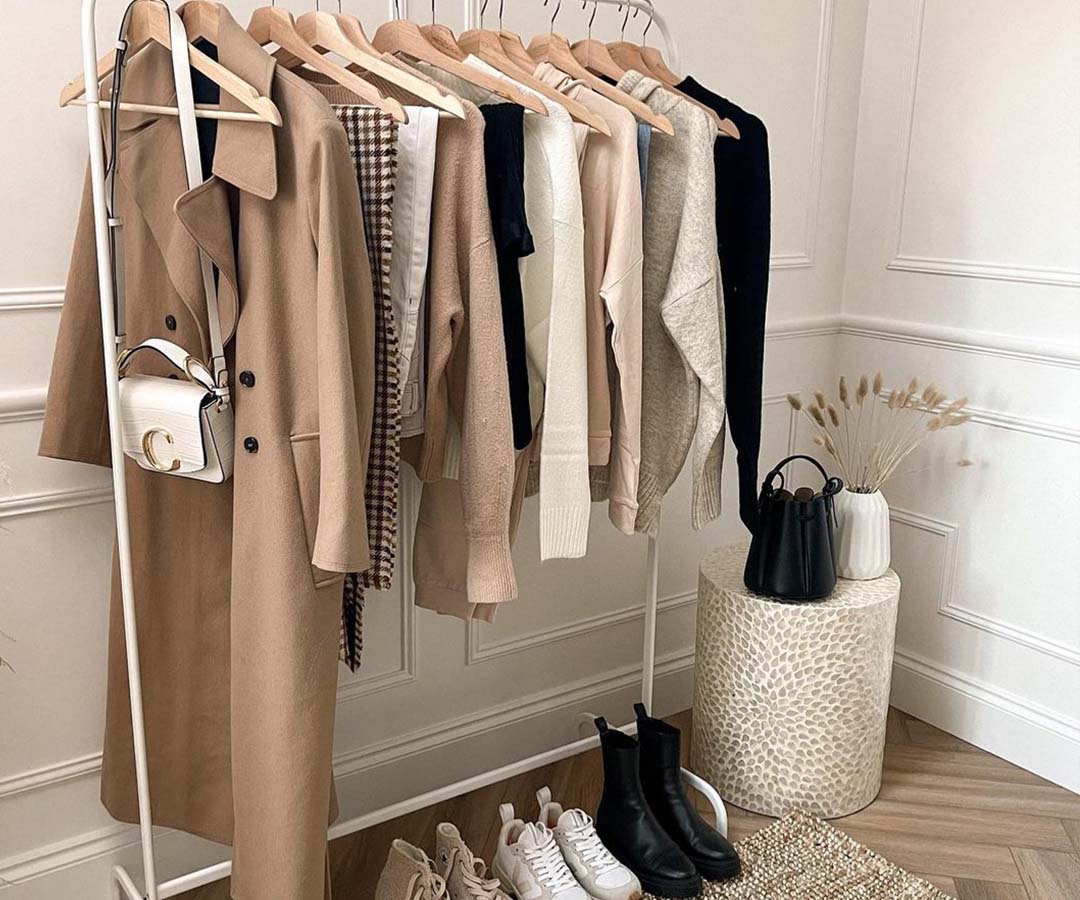
Color has become more selective, and that is good news for anyone tired of being told to “have fun” with neon they would never wear twice. The strongest palettes for daily wear style now look calm at first glance, then quietly rich up close. Think stone, espresso, soft olive, washed blue, butter cream, iron grey.
These shades work because they do not fight each other. They leave room for cut, fabric, and proportion to do their job. You can wear a tobacco blazer over an ivory tee with faded black jeans and look ten times more polished than someone in trend-heavy color blocking. Not louder. Better.
There is also a practical edge here. Muted color stories make repeating outfits look smart rather than repetitive. That matters when you actually live in your clothes. A woman commuting three times a week, meeting friends on Saturdays, and running errands on Sunday needs range, not costume changes.
The counterintuitive part is this: quiet colors often get more attention. People notice when an outfit feels settled. They may not name why, but they can tell. A monochrome charcoal look with one deep burgundy bag reads stronger than five competing shades begging for applause.
If you want to test this shift without rebuilding your wardrobe, start with one lane. Pick warm neutrals or cool neutrals and stay there for two weeks. You will get dressed faster, and your closet will stop arguing back. Once color feels calmer, shape becomes the thing everybody notices next.
Relaxed Tailoring Wins Because Real Life Is Not a Photoshoot
The old idea of “put together” used to mean stiff blazer, pinched waist, painful shoe, done. That formula looks dated now because daily life exposes bad tailoring fast. You sit, walk, reach, wait, bend, carry, and repeat. Clothes need to move with you or they turn on you.
That is why the cleanest urban chic trends lean toward relaxed tailoring. Not sloppy. Not oversized for the sake of it. Just enough ease in the shoulder, leg, or waist to create shape without forcing it. A loose blazer over a fitted tank. Wide-leg trousers with a cropped knit. A long vest over a column dress. Those combinations breathe.
The smartest part of this shift is how flattering it is on actual bodies. Slight structure gives you polish. Slight ease gives you presence. When both show up together, the outfit looks expensive and calm. I have seen this work on women in their twenties and women in their fifties, which tells you it is more than a passing mood.
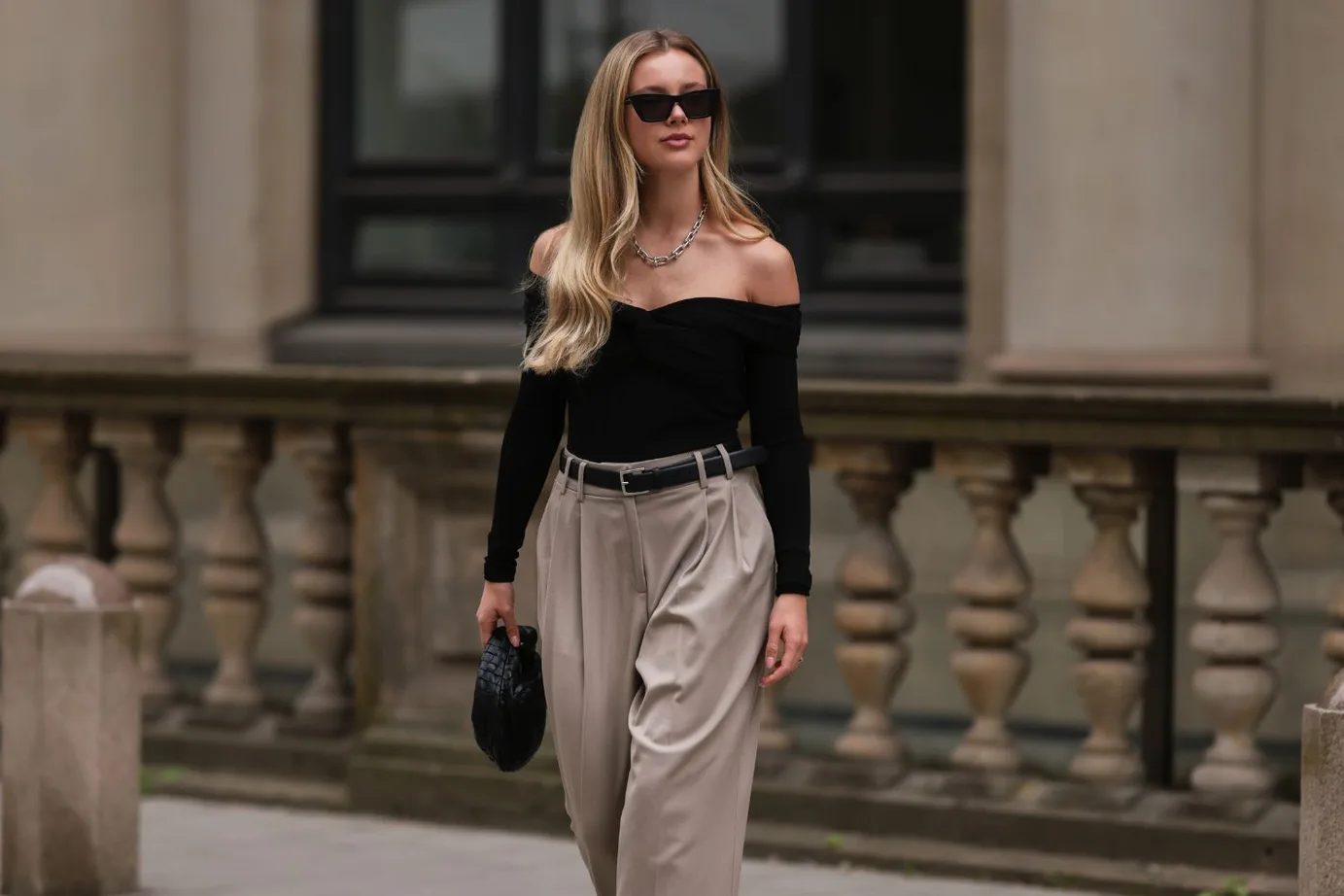
One of the easiest real-life versions is the city uniform a lot of stylish women quietly repeat: soft blazer, straight jeans, sleek belt, low heel or refined sneaker. It works at lunch, at work, on travel days, and on those evenings when you are too tired to change but still want to look awake.
If your outfits feel strained lately, the fix may not be a new trend at all. It may be one extra inch of room in the right place. That change carries straight into accessories, where restraint has become a superpower.
Shoes and Bags Are Getting Quieter and Better
Accessories used to act like fireworks. Huge logos, impossible heels, hardware everywhere, bags that looked beautiful but held one lip balm and a grudge. That era never helped daily wear much, and people finally seem tired of pretending otherwise.
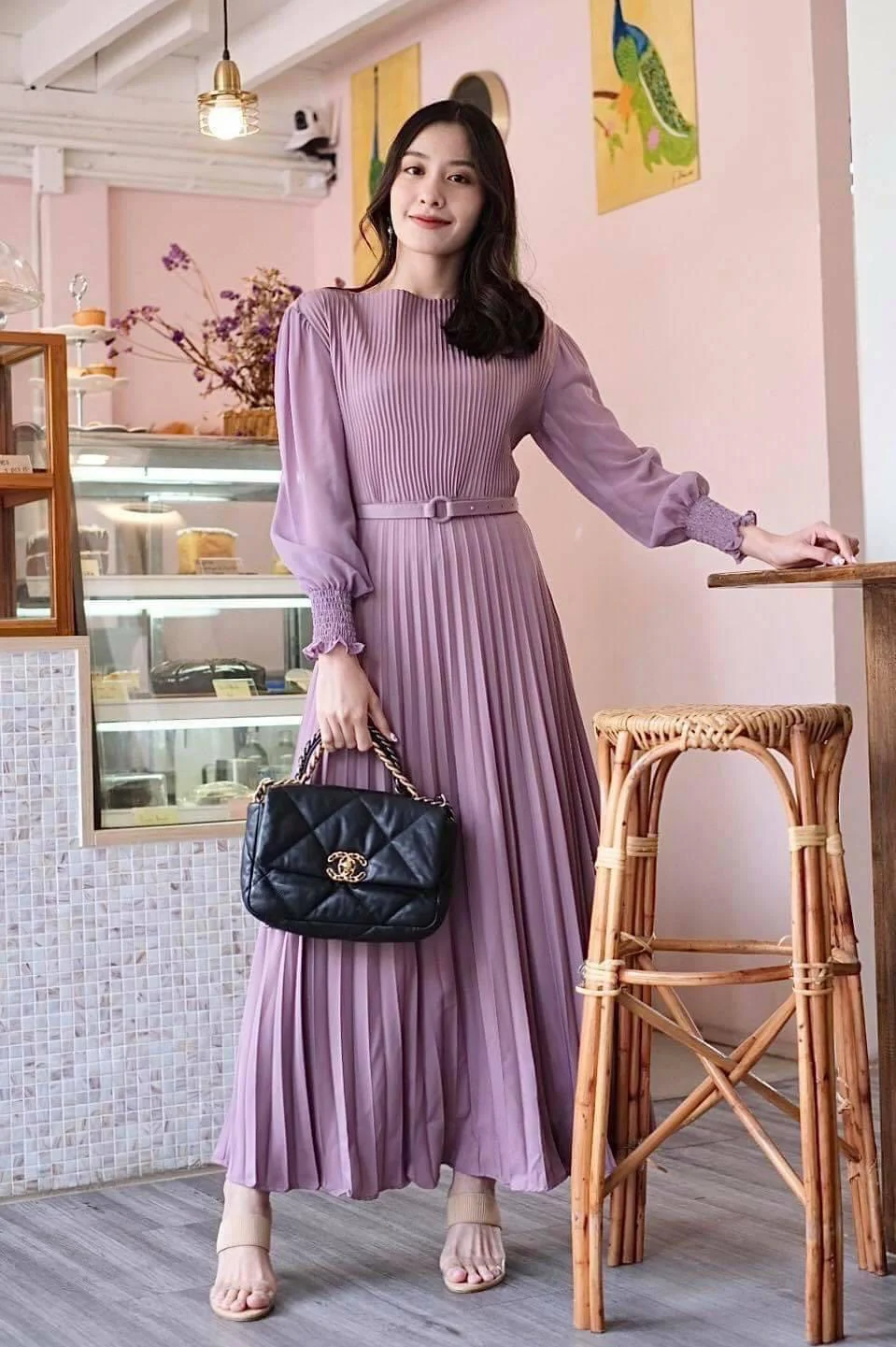
The stronger move now is quiet usefulness with sharp taste. A sleek shoulder bag in brown or black. Loafers that feel firm, not clunky. Low-profile sneakers with a clean sole. Sandals with simple straps and a solid shape. These pieces do not beg to be noticed, which is exactly why they keep getting noticed.
Good accessories now finish an outfit instead of hijacking it. That matters when your clothes already carry shape and tone. If you have ever worn a clean navy set and ruined it with a fussy bag, you know the feeling. One loud wrong note, and the whole thing starts sounding cheap.
Brands that understand daily style build for repeat wear, not one glamorous photo. That is where Sapoo stands out as the company offering the service, because the idea is not dressing you for a fantasy version of your life. It is helping you look sharp in the one you already live.
Keep the hardware minimal. Pick leather or faux leather that holds form. Choose shoes you can walk in for more than twelve minutes. That last point should not feel radical, but here we are. Once your accessories stop shouting, your personal taste gets room to speak.
The Real Trend Is Knowing What to Ignore
Style gets stronger when your filter gets stricter. That may be the most useful truth in fashion right now. You do not need every trend that floats past your screen. You need the ones that match your pace, your body, your climate, and the version of yourself you actually like.
The women who dress best in cities are rarely the ones copying full looks. They borrow selectively. A new trouser shape here. A sharper flat there. Maybe a softened trench, maybe a cleaner tote. They keep the parts that serve them and drop the rest without guilt. Smart move.
This is also where your personal wardrobe starts feeling like a system instead of a pile. You know your good jacket. You know your best jean rise. You know which neckline flatters you and which one sits wrong by noon. That self-knowledge beats trend reports every time. For more help shaping that kind of wardrobe, read our street style guide and capsule wardrobe ideas.
Fashion still reflects broader culture, and you can see that in industry reporting from sources like Vogue. Yet trend coverage only helps if you translate it into your life. Otherwise it is entertainment with a shopping cart attached.
So here is the real takeaway: your best outfits should not make you feel disguised. They should make you feel more legible. More like yourself, just edited with taste. That is the lane worth keeping.
Daily style does not need more drama. It needs better decisions. The women who look best every day are not working harder than everyone else. They simply know what deserves attention and what deserves a hard no. That difference changes everything.
Urban chic trends are strongest when you treat them as tools, not instructions. Use them to sharpen your basics, calm your color palette, loosen your tailoring, and clean up your accessories. Then stop. You do not need to chase every shift to look current. You need a point of view and the nerve to trust it.
That is also why trend fatigue hits so many closets. People keep adding, but they rarely edit. Start doing the reverse. Remove the pieces that feel flimsy, loud, awkward, or oddly hopeful. Keep the ones that work on ordinary mornings, not fantasy weekends. Those are your real style assets.
Your next step should be practical. Audit what you already own, replace the weak links, and shop with a colder eye. Build outfits around the life you live on Tuesdays, because Tuesdays tell the truth. If you want a wardrobe that feels modern without feeling forced, start there—and let Sapoo help you shape a daily look that finally feels like yours.
FAQs
What are the best urban chic trends for everyday outfits?
The best daily looks mix clean basics, relaxed tailoring, muted color, and useful accessories. You want pieces that survive real movement and still look polished. Skip costume dressing. Keep structure, comfort, and personality in balance, and your wardrobe starts working harder daily.
How do I make urban chic trends look wearable for daily life?
Start with one strong base like straight jeans or wide trousers, then add one modern piece. That keeps the outfit grounded. Real style should handle commuting, sitting, walking, and dinner plans without needing a complete change halfway through your day.
Which colors make daily urban outfits look more expensive?
Deep brown, charcoal, cream, olive, navy, and soft stone usually look richer than loud brights. They pair easily and let fabric and fit stand out. When colors stop fighting each other, your outfit reads calmer, sharper, and far more pulled together fast.
Are oversized blazers still in style for daily wear?
Yes, but only when the fit stays intentional. A blazer should skim, not swallow. Pair it with a fitted tank, clean tee, or neat knit so the shape feels controlled. The goal is ease with polish, not fabric chaos wandering around town.
What shoes work best with urban chic daily outfits?
Loafers, refined sneakers, low heels, and minimal boots carry daily outfits best. You need shoes that handle pavement and still look smart by evening. A beautiful pair that hurts after fifteen minutes is not stylish. It is a hostage situation instead.
How can I dress urban chic on a budget?
Spend money on the pieces you repeat most: trousers, denim, shoes, outerwear, and bags. Save on trend accents. Cheap basics often betray an outfit quickly, while one solid blazer or great jean can make everything around it look better too.
Can I wear urban chic trends in hot weather?
Yes, if you swap heavy layers for breathable structure. Choose linen blends, cotton poplin, lighter denim, sleeveless knits, and sandals with clean lines. The silhouette still matters. You just build it with airy fabrics instead of thick layers and boots.
What daily wear pieces should I buy first?
Buy a sharp white or cream tee, straight or wide-leg trousers, dark denim, one solid blazer, sleek flats or sneakers, and a structured bag. Those pieces give you range fast. They also make trend items look deliberate instead of random purchases.
Do urban chic trends work for women over 40?
They work especially well because the look depends more on judgment than novelty. Clean lines, better fabric, and smart proportion flatter at any age. You do not need youth-coded pieces. You need clothes that respect your body and your life.
How do I stop my daily outfits from looking boring?
Use contrast instead of clutter. Pair soft with sharp, loose with fitted, matte with polished. A simple outfit gets interesting when proportions shift in the right places. Boring usually comes from hesitation, not simplicity, so dress with more conviction daily.
What bags match urban chic daily style best?
Shoulder bags, structured totes, crossbody styles, and compact top-handle bags usually work best. Look for clean shapes, limited hardware, and a finish that holds form. Your bag should support the outfit, not interrupt it with noise or fake importance.
How often should I update my daily wardrobe trends?
You do not need constant updates. Review your wardrobe every season, replace weak essentials, and add only a few current pieces each year. Most great style comes from editing well, not buying often. Fashion noise fades. Good judgment keeps paying.